Most burglars hit a house about every 30 seconds in the U.S. That means you can’t rely on luck. You need a plan that covers the whole family, from the front door to the basement. In this guide we walk you through five practical steps you can start today. You’ll learn how to spot weak spots, lock them down, pick the right alarm, carve out a safe room, and rehearse an emergency response. By the end you’ll have a home defense plan that feels solid, not scary.
Step 1: Assess Your Home’s Risks
First thing you do is look at the house like a detective. Walk through each room, each door, each window and ask yourself: could an intruder get in here? Write down every opening, every blind spot, every area where a family member might hide.
Use a simple checklist. Mark high‑traffic zones, such as the front entry, garage, and side doors. Note any landscaping that gives a hide‑out, like overgrown bushes. If you have pets that trigger motion sensors, flag those spots too.
Why this matters: a clear picture of risk lets you prioritize upgrades. You’ll spend money where it matters most, not on cosmetic fixes. If you’re also planning the defensive side, reviewing the best revolver for home defense can help you choose a reliable firearm that fits your security plan.
We recommend pulling the National Center for… home safety checklist and filling it out with your own observations. The PDF walks you through a room‑by‑room audit and even suggests which doors need longer screws on the strike plate.
Here’s a quick table to help you rank each entry point.
Take a photo of each spot, label it, and keep the file on your phone. When you see the list later, you’ll know exactly where to act.
And if you need a quick reference on home security basics, the Wikipedia entry on home security gives a solid overview of common measures.
Bottom line: Start with a detailed risk audit so every later upgrade has a purpose.
Step 2: Secure Entry Points
Now that you know the weak spots, it’s time to make them tough. The goal is layered security , each layer buys you extra seconds before a threat gets inside.
Doors are the first line. Install a deadbolt that extends at least one inch into the frame. Replace short screws in the strike plate with 3‑inch screws; this stops a kick‑in attempt. Reinforce the door frame with a metal plate if the budget allows.
Windows need more than a simple lock. Apply security film that holds the glass together if it’s smashed. Add a window sensor that talks to your alarm system. For sliding doors, place a wooden dowel in the track and add a sensor that detects if the door is opened.
Don’t forget the garage. It’s often an easy backdoor for thieves. Install a smart garage controller that requires a code or smartphone approval. Pair it with a motion‑activated floodlight. For keeping any firearms you own both secure and quickly reachable, explore our gun storage solutions guide.
Motion‑sensor lights are cheap and effective. They flash when someone moves, startling a potential intruder and alerting neighbors.
For a visual reference, see the placeholder below.
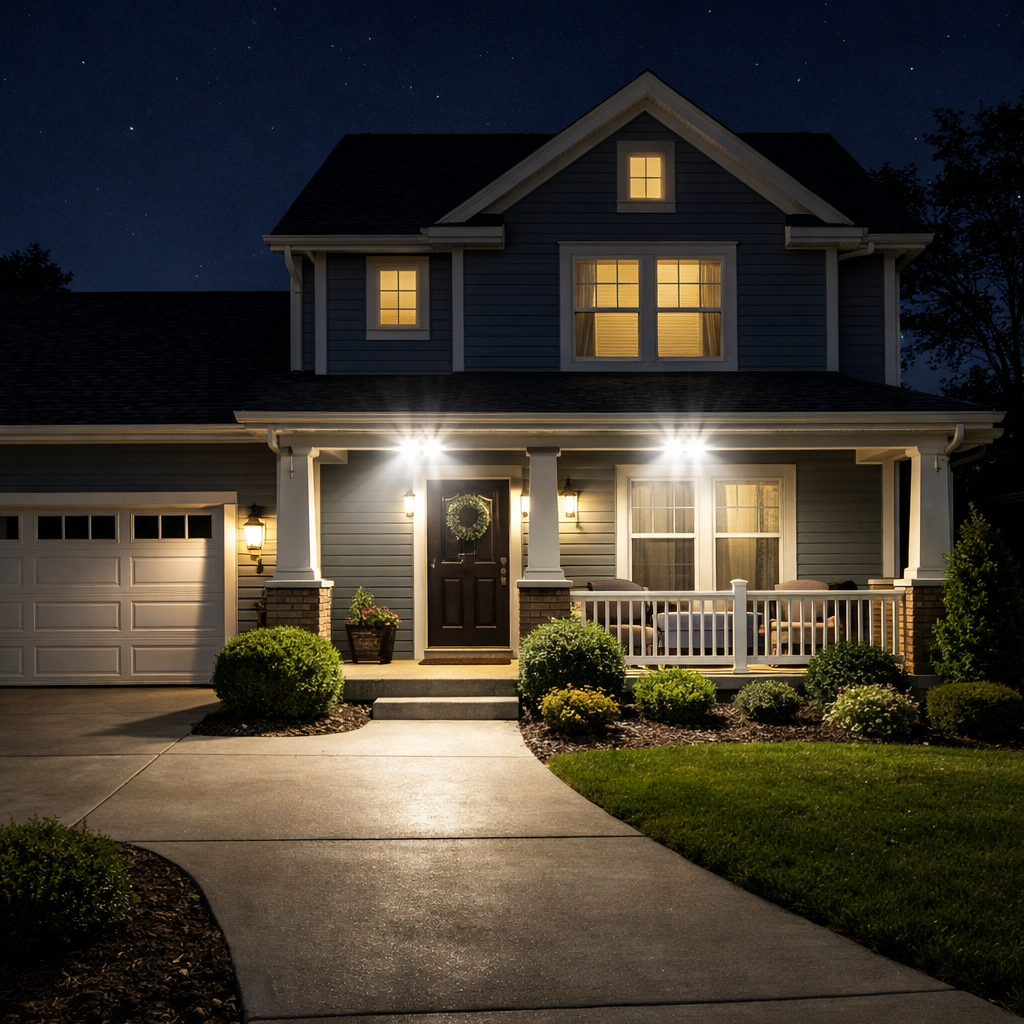
When you finish the upgrades, run a walk‑through with a friend acting as a “tester.” Have them try to open doors, slide windows, and see how long it takes them to get in. If they succeed quickly, you still have work to do.
Bottom line: Strengthening doors, windows, and the garage creates the physical backbone of your home defense plan.
Step 3: Install an Alarm System
With the entry points locked down, you need a way to know if someone gets past them. An alarm system does more than make a loud siren; it can verify a threat, call the police, and even let you speak to the intruder.
There are three main choices: professional monitoring, DIY self‑monitoring, and hybrid. Professional monitoring means a company watches your alerts 24/7 and dispatches police if needed. DIY uses your phone and an app; you’re responsible for calling help.
In 2026 the best systems use AI to cut down false alarms. They can tell a cat from a person and only alert you when a real threat is detected. Safehome.org’s review notes that ADT offers AI‑driven activity zones and facial recognition, which helps reduce nuisance alerts.
Here’s how to pick the right setup:
- Check that the system supports granular zones , you want the front door separate from the garage.
- Make sure the sensors you already installed (window, motion, door) are compatible.
- Look for a backup battery and cellular link in case the internet drops.
After you choose a system, place the main panel near a power outlet but out of easy reach. Install door and window sensors on every entry point you listed in Step 1. Add motion sensors in hallways and the main living area. Test each sensor by opening the door or moving in front of the motion detector , you should get a clear notification on your phone.
We embed a short video that shows how to wire a typical wireless door sensor. Watch it and pause at each step.
Once the system is live, set up “trusted contacts” who get a text when an alarm fires. Practice disarming the system quickly , you don’t want to waste time during an emergency.
Bottom line: A modern, AI‑enabled alarm gives you early warning and verified alerts, reducing panic and false calls.
Step 4: Create Safe Rooms & Safe Zones
Even the best locks can be breached. A safe room gives your family a place to hide until help arrives. The room should be easy to reach, well‑stocked, and hard to force.
Pick a location on the ground floor, preferably with a solid interior door and no windows. A walk‑in closet, a bathroom, or a reinforced hallway can work. Install a deadbolt and a short‑range radio or a hard‑wired phone line for emergency calls.
Stock the safe room with:
- Two‑way radios or a charged cell phone with an extra battery.
- Flashlight, batteries, and a small first‑aid kit.
- Non‑perishable snacks and water for at least three hours.
- A “quick‑access” gun safe if you keep a firearm at home. The safe should open in under 2 seconds with a biometric or a known combination.
We at 31 M Armory recommend checking out our Top 5 Quick Access Gun Safes for 2026 guide for safe‑room storage ideas that balance speed and security.
In addition to a safe room, map out safe zones throughout the house , spots where you can see an entry point and have a clear escape route. Mark these on a simple floor plan and rehearse the route with every family member.
Practice the drill at least once a month. Have the kids run to the safe room while the adults lock the doors behind them. Time the whole process; aim for under 30 seconds.
Bottom line: A dedicated safe room and rehearsed safe zones turn a breach into a survivable situation.
Step 5: Develop an Emergency Response Plan
All the hardware means nothing if you don’t know what to do when an alarm sounds. An emergency response plan spells out who does what, how you communicate, and where you meet.
Start with a family communication tree. List primary contacts (spouse, older child) and secondary contacts (neighbors, relatives). Write down each person’s phone number and preferred method (text, call, app).
Assign roles:
- One adult grabs the quick‑access safe‑room safe and leads everyone to the safe room.
- A teen checks that all doors are locked and calls 911.
- The youngest child stays with the adult in the safe room.
Print a one‑page “plan sheet” and tape it to the inside of the fridge. The sheet should include:
- Alarm disarm code (kept hidden but known to adults).
- Safe‑room location and entry method.
- Emergency contacts.
- Escape routes (e.g., front door, back patio).
Practice the plan with a mock intrusion. Have someone knock on the door, trigger the alarm, and then run the drill from start to finish. After each drill, debrief , what slowed you down? Did anyone forget their role?
The federal Ready.gov family communication guide provides a printable template you can adapt for home‑defense scenarios.
Bottom line: A clear, practiced response plan turns preparation into action when minutes count.
FAQ
What’s the first thing I should do when creating a home defense plan?
Start with a risk audit of every entry point. Walk the house, list doors, windows, and vulnerable spots, then rank them by how easy they are to breach. This gives you a roadmap for where to spend money first.
Do I need a professional alarm monitoring service?
Professional monitoring adds a layer of safety because a trained center can verify alerts and call police even if you’re unable to. If budget is tight, a DIY system with a reliable app and a backup cellular connection can work, but you’ll need to be ready to call for help yourself.
How often should I test my alarm system?
Test every sensor at least once a month. Simulate a door opening, a window break, and a motion trigger. Verify that you receive a notification on your phone and that the monitoring center (if you have one) contacts you within 30 seconds.
What should I store in my safe room?
Keep a charged phone, a two‑way radio, a flashlight, extra batteries, a first‑aid kit, water, snacks, and a quick‑access gun safe if you keep a firearm. The goal is to survive until police arrive, so think three hours of supplies.
How can I involve my kids in the plan without scaring them?
Make drills feel like a game. Use simple code words, practice “hide‑and‑seek” routes, and praise them for following instructions. Keep explanations short and focus on the fact that you’re all working together to stay safe.
What’s the best way to communicate during an emergency?
Set up a family communication tree with primary and secondary contacts. Use a group text or an app that can send a single alert to everyone. The Ready.gov guide recommends confirming receipt with a quick “OK” from each person.
Should I install security cameras inside the house?
Cameras inside can provide verification for the alarm system and help you see where a threat is moving. Choose cameras with AI detection so you don’t get alerts for pets or passing cars. Pair them with your alarm for a unified response.
Can I use a smart lock instead of a deadbolt?
Smart locks add convenience, but a deadbolt is still the strongest physical barrier. If you use a smart lock, keep the deadbolt installed as a backup and make sure the lock’s battery is checked monthly.
Conclusion
Building a home defense plan is about turning uncertainty into a clear set of actions. You start by mapping risks, then lock down doors and windows, add an intelligent alarm, carve out a safe room, and rehearse a family response. Each step reinforces the next, creating a layered defense that buys you time and peace of mind. When you’re ready to choose the right firearms or accessories to finish the plan, check out our Top Home Defense Weapons for 2026 guide for vetted options that fit a veteran‑friendly budget. If you prefer a rifle platform, the home defense AR‑15 guide provides a step‑by‑step setup overview.