Ever tried to buy a gun and got stuck at the checkout? The wait isn’t always a glitch , it can be a legal delay that stalls the whole deal. In this guide we break down what a delayed gun background check really means, why it happens, who feels the pain, and what you can do to keep the process moving.
By the end you’ll know the exact reasons behind the hold, how it affects both buyers and sellers, and a step‑by‑step checklist you can use the next time you walk into a store or shop online.
What Is a Delayed Gun Background Check?
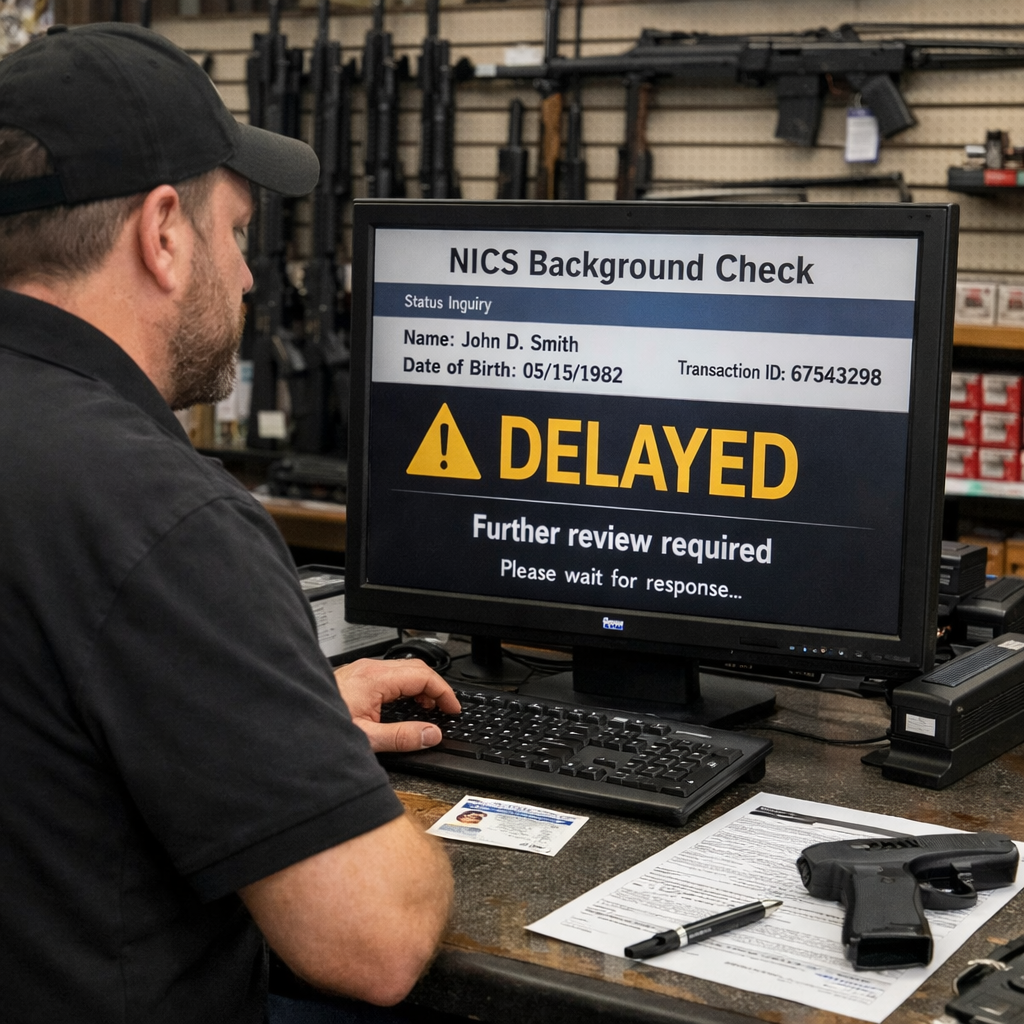
When you hand over Form 4473 and your ID, the dealer runs your info through the National Instant Criminal Background Check System (NICS). If the system can verify you’re clear, you see a green “Proceed” almost instantly. If it finds a disqualifying record, you get a “Denied.” A “Delayed” sits in the middle , the FBI needs more time to sort out a snag.
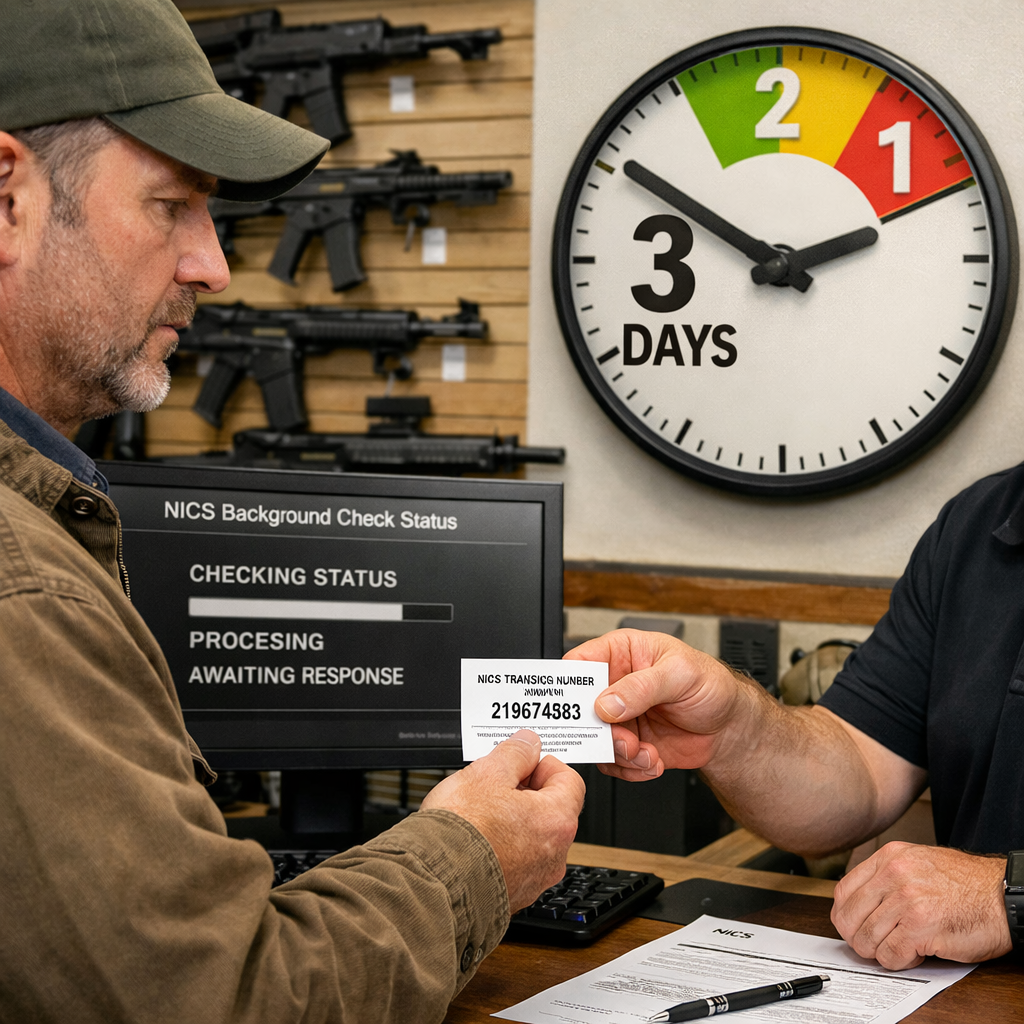
Under the Brady Handgun Violence Prevention Act, the FBI has up to three business days to give a final answer. If they don’t, the dealer can legally transfer the firearm, unless state law says otherwise.
Why does the system flag you? Common triggers include a name that matches someone else with a ban, an incomplete court record, or a pending charge that has no clear outcome. The FBI then reaches out to local agencies, checks multiple databases, and may need to verify your identity.
We see the same pattern in the Justice Department’s own data , the top‑cited cause for a delay is a response time that exceeds the three‑day ceiling, which caps the hold at roughly three business days (Justice.gov). That ceiling is the statutory limit across the 9 items that reported an average delay of three days.
For a plain‑English definition of the system, check the Wikipedia entry on NICS (Wikipedia). It walks through the three databases the FBI pulls from and why a “Delayed” can pop up.
We at 31 M Armory have helped many veterans and first‑time buyers handle this hold. Our team knows the paperwork and the best ways to keep your info clean before you submit it.
Want a deeper look at what stretches a background check? Our guide on the many factors that shape timing explains how things like a mismatched DOB or a busy holiday season add days to the process. Top 23 Factors That Shape How Long a Gun Background Check Takes
And if you need a quick reference on how NICS works, our 2026 guide breaks down each step in plain language. NICS Background Check Guide 2026
Bottom line: A delayed gun background check is a temporary pause that signals the system needs extra info before it can say “Proceed” or “Denied.”
Common Reasons for Delays in Background Checks
Most delays trace back to three broad categories: data mismatches, incomplete records, and system overload. Let’s unpack each.
Data mismatches. If your name or date of birth is slightly off from what’s on file, the system flags you. A common example is a middle initial missing or a typo in the Social Security number. The FBI then has to compare multiple records to be sure you’re not the prohibited person.
FastBound notes that a simple typo can add the full three‑day hold (FastBound). The fix? Double‑check every field on Form 4473 before you hand it over.
Incomplete or outdated court records. Some states still feed paper files into the system. If a court hasn’t digitized an old conviction, the FBI can’t see it right away. The examiner must call the clerk’s office, which can take days.
In a 2026 RAND analysis, researchers found that missing or stale records are a frequent cause of the three‑day default proceed (RAND). The study also shows that the delay rarely exceeds three business days unless the record is complex.
High‑volume purchasing periods. Black Friday, holiday sales, and hunting season spikes flood NICS with requests. Even though the system is built for volume, a sudden surge can push the average processing time beyond the normal minutes.
During such peaks, dealers often see “pending” tags on many transactions. The backlog forces manual reviews, which stretch the clock.
First‑time buyers should read our step‑by‑step starter guide so they know exactly what to bring and how to fill out the form. First Time Gun Owner Guide: Step‑by‑Step Basics
Other edge cases include non‑U.S. citizens with complex immigration status, pending charges without a clear disposition, and mental‑health commitments that lack proper paperwork. Each of these requires the examiner to reach out to the originating agency, which adds time.
Bottom line: Most delays stem from simple data errors, missing court files, or a flood of requests that overwhelm the system.
Impact of Delays on Buyers and Sellers
When a check stalls, both sides feel the squeeze. Buyers lose time, may miss sales, and sometimes face extra fees. Sellers see inventory sit idle, which can hurt cash flow and customer trust.
Below is a quick snapshot of the main effects.
Data from NBC News shows that in 2020‑2021, about 4.2 percent of checks took longer than three business days, the highest share since 2014. That means over one million opportunities where a sale waited on a delay (NBC News). The report also notes that roughly 11,500 people bought guns before the FBI could finish the review, highlighting a real safety gap.
Our own experience at 31 M Armory shows that clear communication can soften the blow. We tell buyers up front what to expect, and we keep a line open with the FFL so they get updates as soon as the NICS status changes.
Knowing the law helps, too. Some states, like California, New Jersey, and New York, forbid a sale after three days no matter what the federal rule says. That makes it vital to check your state’s specific timeline before you start.
Understanding the impact lets you plan. If you’re buying a rifle for the upcoming deer season, start the paperwork early. If you’re a dealer, have a template ready to share the NICS Transaction Number (NTN) with the buyer so they can track the case themselves.
Bottom line: Delays cost time and money for both parties and can create legal headaches if the sale proceeds before a final decision.
How to Handle and Reduce Delays
The good news is you can take steps to keep the clock from stopping. Below is a practical checklist you can run before you walk into the store.
1. Verify your personal data. Pull your driver’s license, Social Security card, and any court documents. Make sure the name, middle initial, and DOB match exactly. Any mismatch triggers a three‑day hold.
2. Gather complete court and mental‑health records. If you have any past convictions, get the official disposition paperwork. If you were ever in a mental‑health facility, request the release or clearance letter.
3. Know your state’s rules. Some states require a full clearance before the three‑day window ends. A quick search on your state’s attorney general site will tell you if you need to wait longer.
4. Ask the dealer about internal policies. Some FFLs won’t sell until they get a definitive “Proceed.” Others will go ahead after three days. Knowing the dealer’s stance helps you set expectations.
We often tell veterans to use the Voluntary Appeal File (VAF) if they’ve faced multiple delays. The VAF stores a cleared record that speeds up future checks. It’s a free service from the FBI, and it’s especially useful if you have a common name.
FastBound’s own guide suggests checking the status directly with the dealer or calling the FBI’s NICS Section. While the FBI can’t give you the reason for a delay, they can confirm whether the case is still pending (FastBound). This keeps you from guessing.
When you’re ready to buy, choose a dealer who offers real‑time status updates. At 31 M Armory we partner with FFLs that send you the NICS Transaction Number right away so you can monitor progress online.
“A delayed result is not a dead‑end; it’s a signal to double‑check your paperwork and keep the line of communication open.”
Store your firearm safely while you wait. A good storage solution, such as a secure gun cabinet, prevents accidents and keeps the gun ready for when the check clears. Best Gun Cabinet: Top 5 Secure Storage Solutions 2026 Top Gun Storage Solutions for Every Home 2026
Bottom line: By tightening your data, gathering all records, and staying informed about state and dealer policies, you can shave days off a delayed gun background check.
Conclusion
Delayed gun background checks are a legal pause, not a permanent block. They happen because of data mismatches, missing records, high‑volume periods, and state rules that can overrule the federal three‑day limit. The impact touches both the buyer, who may lose time and face extra fees, and the seller, who sees inventory sit and risk legal exposure.
We’ve laid out a clear checklist: verify every piece of personal data, bring full court and mental‑health paperwork, know your state’s timeline, ask the dealer about their policy, and consider a Voluntary Appeal File if you’ve hit delays before. With those steps you’ll keep the process moving and avoid surprises.
If you want more detail on how NICS works or how to file an appeal, explore our other guides on the 31 M Armory site. We’re a veteran‑owned shop that lives for smooth, lawful transfers, and we’re happy to walk you through each step.
FAQ
What does a “Delayed” status mean on my background check?
A “Delayed” result means the FBI needs extra time to verify a record that isn’t clear‑cut. It isn’t a denial, but it also isn’t an instant approval. The system will either issue a “Proceed” or “Denied” within three business days, or the dealer may complete the sale after that if state law allows.
Can I still buy the gun if the check is delayed past three days?
If you’re in a state that follows the federal rule, the dealer can legally transfer the firearm after three business days even without a final decision. Some states, however, ban the sale until a full clearance is received. Always check your state’s specific law before counting on a default proceed.
Why does my name cause a delay?
The system flags any name that matches a prohibited person. If you share a common name like “John Smith,” the FBI must cross‑check other identifiers such as DOB and SSN. A mismatch or missing middle initial can trigger a three‑day hold while they sort it out.
How can I find out why my check is delayed?
The dealer who started the NICS request gets updates first. Ask them for the NICS Transaction Number and call the FBI’s NICS Section for a status check. They won’t give the exact reason, but they can tell you if the case is still pending.
What is the Voluntary Appeal File (VAF) and should I use it?
The VAF lets the FBI store a cleared record for you after a successful background check. If you’ve faced multiple delays, enrolling in the VAF can speed up future purchases because the system will recognize you right away.
Do dealer policies affect how long I wait?
Yes. Some dealers wait for a definitive “Proceed” before handing over the gun, even if the three‑day window has passed. Others will complete the transfer after three days. Ask the dealer about their policy before you start the transaction.
Will a delayed check affect my ability to buy another gun later?
Not necessarily. Once the FBI resolves the issue, the result (either “Proceed” or “Denied”) is recorded. If you receive a “Proceed,” future checks should go through instantly. If you get a “Denied,” you’ll need to address the underlying disqualifying factor before any future purchase.
What should I do if I receive a denial after a delayed sale?
If the dealer sold you the firearm during a default proceed and a denial arrives later, law enforcement may contact you to retrieve the weapon. It’s best to cooperate fully and seek legal advice if you’re unsure of your rights.