A suppressor that will not screw onto your barrel is not a bargain. It is a locked door. You paid for the can, you paid for the transfer, and now it sits in the safe because the muzzle threads on your rifle or pistol do not match the threads on the suppressor or its mount. Thread pitch matching is one of the most common and most expensive mistakes in suppressor ownership, and it is also one of the easiest to avoid. You just have to confirm two numbers before money changes hands.
This guide covers what thread pitch means, which patterns show up most often, how adapters and mounting systems fit into the picture, and how to verify your own barrel instead of trusting a memory or a forum post.
What Thread Pitch Actually Means on a Muzzle
Thread pitch refers to the spacing of the threads on your barrel’s muzzle. It varies by caliber and firearm type, which is exactly why guessing gets people in trouble. Two barrels chambered for the same cartridge can leave the factory with different muzzle threads, and a barrel that was threaded aftermarket can carry almost anything a gunsmith was asked to cut.
Thread callouts carry two pieces of information. In an inch pattern like 1/2×28, the first number is the major diameter in inches and the second is the number of threads per inch. In a metric pattern like 14x1mm, the first number is the diameter in millimeters and the second is the distance between thread crests. Both numbers have to match for a suppressor to thread on properly. A 1/2×28 mount will not go onto a 1/2×36 barrel, and a 14x1mm mount will not go onto a 15x1mm muzzle.
Direction matters too. Some muzzles are threaded left hand, meaning the accessory tightens in the opposite rotation from what most shooters expect. That single detail has stopped more than a few installs cold.
Why Mismatches Happen So Often
Most buyers do not walk into a shop trying to get the wrong pitch. They get the wrong pitch because of assumptions that feel reasonable at the time.
- Assuming that one caliber always equals one thread pattern. It does not. Small-bore rimfire and .224 centerfire guns frequently use different sizing than larger rifle calibers, and pistol caliber hosts vary as well.
- Assuming a factory barrel is threaded the way the same model was threaded a few years ago. Production changes happen.
- Assuming a thread adapter is unnecessary. Imported rifles and pistols often use metric or left hand muzzle threads that do not match common accessory threads.
- Assuming the suppressor’s rear thread is the same as the barrel thread. On mounting systems like HUB, the rear thread is a mounting interface, not a muzzle specification.
Each of those assumptions costs money when it turns out wrong, and the cost lands after the paperwork is already in motion.
The Thread Patterns You Will Actually Run Into
The table below covers patterns that show up repeatedly in suppressor discussions and product listings. Treat it as orientation, not as a substitute for the specification sheet on your specific firearm.
| Thread pattern | Where it shows up | What to watch for |
|---|---|---|
| 1/2×28 | 9mm pistol caliber hosts and suppressors sold in that pitch, such as the F-4 9mm suppressor with a 1/2×28 thread pitch, along with many small-bore rifles | Confirm diameter and threads per inch separately, since other 1/2 inch patterns exist |
| 5/8×24 | A widely used rifle pattern and the output thread on common adapter conversions | Frequently the target of an adapter rather than the original muzzle thread |
| 14x1mm LH | AK-47 style muzzles | Left hand thread, so rotation is reversed |
| 15x1mm RH | HK style muzzles | Right hand thread, metric diameter |
| 1.375×24 | The HUB suppressor mounting platform | This is a suppressor side interface, not a barrel thread |
Right Hand and Left Hand Threads
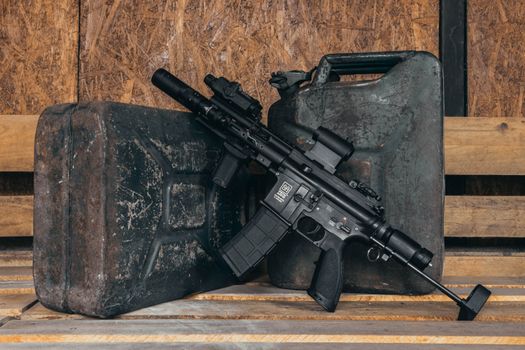
Left hand muzzle threads are the detail that catches people mid-install. An AK-47 style muzzle is commonly threaded 14x1mm left hand, while an HK style muzzle is commonly threaded 15x1mm right hand. If you try to install a mount on a left hand muzzle using right hand muscle memory, you will feel resistance that is not galling, it is the thread trying to tell you something.
Suppressor thread adapters exist that convert AK-47 style 14x1mm LH and HK style 15x1mm RH muzzles to receive 5/8×24 threaded accessories. That is a clean way to bring an imported rifle into a common accessory thread pattern, provided the adapter is quality and installed correctly.
Direct Thread, Adapters, and Mounting Systems
Direct thread suppressors for rifles attach directly to compatible barrel muzzle threads rather than relying on a separate quick-detach muzzle device. The appeal is simplicity. Fewer parts means fewer things to check, and a flush direct-thread mount can be intended to index on the barrel’s shoulder, which is the case with the F-4 9mm suppressor in 1/2×28 thread pitch. The requirement is unforgiving though. The barrel thread has to match exactly, and the shoulder has to be square and fully formed.
Adapters solve a specific problem: your barrel thread is fine, it just is not the thread your suppressor or mount wants. They add an interface, and every interface is a place where alignment can go wrong. If you run an adapter, verify the thread engagement and follow the torque guidance from both the adapter maker and the suppressor maker.
Mounting systems take a different approach. HUB is a 1.375×24 suppressor mounting platform, meaning the rear of the suppressor uses that thread and you select a mount for it that matches your muzzle. That gives you flexibility across multiple hosts, as long as each host’s muzzle thread is accounted for.
Fixed Barrel and Tilting Barrel Pistol Hosts
The fixed barrel versus tilting barrel question is the single most important factor for pistol suppressor use. A fixed barrel action and a tilting barrel action do not present the same mounting problem, and a setup that runs well on one may not run at all on the other. Before you buy a pistol suppressor mount, confirm with the suppressor manufacturer which mounting solution is intended for your specific pistol action type. That one question saves a lot of range trips.
Shoulder and Indexing Matter as Much as the Thread
Pitch gets the suppressor onto the barrel. The shoulder keeps it pointing the right direction. The shoulder is the flat step behind the threads, and a mount designed to index on the shoulder needs that surface to be square and cut to the correct depth. A barrel with threads cut too long, or a shoulder that is not perpendicular to the bore, can leave a suppressor sitting crooked even though the pitch is technically correct.
If you bought a used rifle or had a barrel threaded locally, have the muzzle inspected by a qualified gunsmith before you attach anything to it. That inspection costs far less than replacing a baffle stack.
How to Verify Your Barrel Before You Buy
- Pull the manufacturer’s specification for your exact model, not a similar model. The barrel thread is usually listed in the spec sheet or on the manufacturer’s site.
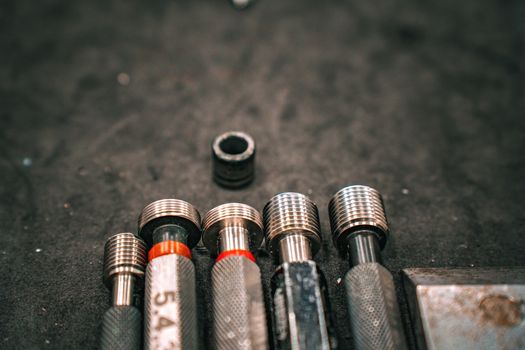
- Measure the muzzle yourself. A thread pitch gauge confirms the thread spacing, and calipers confirm the diameter. Measure the thread length and check the shoulder while you have the tools out.
- Check the rotation direction. If the thread is left hand, note it and plan accordingly.
- Write down the suppressor or mount thread you are considering, then compare the two numbers side by side, diameter and pitch.
- Confirm the mounting interface. If the suppressor uses a HUB 1.375×24 rear thread, the muzzle match happens through the mount you choose, not the suppressor body.
- Get confirmation in writing from the suppressor or mount maker if anything is unclear. Their answer for your exact barrel beats any general chart, including the one above.
A Short Pre-Purchase Checklist
- Barrel thread diameter and pitch confirmed from the manufacturer’s spec.
- Thread direction confirmed, right hand or left hand.
- Thread length and shoulder condition verified, especially on used or aftermarket barrels.
- Suppressor or mount thread confirmed, not assumed from the caliber.
- Adapter necessity decided before purchase, not after.
- Pistol host action type discussed with the suppressor maker.
- Any legal or transfer questions directed to the manufacturer or the relevant official agency rather than a forum thread.
Thread pitch matching is boring work that happens before the fun part. Do it once, write the number down, and the rest of the suppressor buying process becomes a straightforward transaction instead of a repair project.
Frequently Asked Questions
What thread pitch do I need for a 9mm suppressor?
9mm pistol caliber hosts and their suppressors commonly use 1/2×28, including examples like the F-4 9mm suppressor sold with a 1/2×28 thread pitch. That pattern is common, not universal. Check the stated thread specification for your exact barrel and the exact mount or suppressor you intend to buy, then compare diameter and pitch side by side before ordering.
What is a 1.375×24 HUB mount?
HUB is a suppressor mounting platform built around a 1.375×24 thread. That thread sits on the rear of the suppressor body, not on your barrel, so it functions as a mounting interface rather than a muzzle specification. You choose a mount for that interface that matches your barrel threads. Verify both threads with the manufacturers before you commit.
Can I mount a 5/8×24 accessory on an AK or HK style muzzle?
Not directly. AK-47 style muzzles are commonly threaded 14x1mm left hand, and HK style muzzles are commonly threaded 15x1mm right hand. Suppressor thread adapters exist that convert those muzzles to receive 5/8×24 threaded accessories. An adapter adds another interface to the stack, so check alignment and follow the torque guidance from both manufacturers.
Is a direct thread suppressor a good choice?
Direct thread suppressors attach straight to compatible barrel muzzle threads instead of using a separate quick-detach muzzle device. That simplicity is a real advantage, and a flush direct-thread mount can index on the barrel shoulder. The tradeoff is that the barrel threads and shoulder must be correct. If both check out, direct thread is a clean solution.
Does thread pitch vary between calibers?
Yes. Thread pitch varies by caliber and firearm type, which is why one caliber does not automatically mean one thread pattern. Rimfire and .224 centerfire guns often differ from larger rifle calibers, and pistol caliber hosts vary as well. Always confirm the specification on your specific barrel instead of extrapolating from the cartridge it fires.