Buying a gun is a big step. It’s a responsibility that starts with knowing the rules, your goals, and the path you’ll follow to stay safe and legal. In this guide we break down the entire process, from eligibility to safe storage. You’ll learn how to determine if you’re eligible, pick the right firearm for your needs, find a licensed dealer, handle the background check, and commit to ongoing safety and training. We’ll show you usable steps, operational checks, and tips you can apply today. This is a usable, straightforward path for 2026 that respects the law and your goals as a responsible gun owner. If you’re a veteran or supporter of veteran-owned businesses, you’ll also find a few notes on discounts and how they fit into the buying process. For a quick start, you can explore our First Time Gun Owner guide to orient your first purchase.
To help you plan, this guide includes a clear flow from eligibility to aftercare. You’ll find operational examples, checklists, and actionable steps you can follow. We’ll reference the state-by-state nuance in gun laws, the federal framework for background checks, and usable considerations when choosing a dealer and a firearm. You’ll also see how 31 M Armory supports responsible buyers with clear processes and veteran-friendly policies. The goal is to help you buy a gun confidently and safely, while staying compliant with the law and prioritizing safety in every step.
Before we begin, a quick note: laws change and local rules vary. Always confirm current requirements in your state with official sources and your local FFL dealer. For a broader view of how state rules can differ, see Gun laws in the United States by state. And if you’re curious about how long background checks can take, we’ll cover that in Step 4 with usable timing expectations.
- Eligibility basics and state-by-state rules
- Choosing the right firearm type for your needs
- Finding a licensed dealer (FFL) and preparing docs
- Background checks and the purchase flow
- Safe storage, training, and ongoing responsibility
Step 1: Determine Eligibility & Legal Requirements
Step 1 is all about eligibility and the legal rules you must follow. Federal law sets a baseline, but state and local rules fill in the gaps. This matters because you may be legally eligible in one state and not in another when traveling or relocating. The big picture is simple: you can own and buy a firearm if you meet the criteria set by federal law and your state’s requirements. The tricky part is knowing what those state rules are and how they apply to you.
First, confirm your status under federal law. The Federal Firearms License (FFL) framework governs who can buy and own a gun, and it includes checks on age and criminal history. Next, examine state requirements that can add conditions like waiting periods, permitting, or residency rules. Some states require safety training certificates or specific forms. If you’re unsure, your local FFL is a good first call. They’ll help you understand both the federal baseline and any state-specific hurdles. If you’re in a state with stricter limits, you’ll often see longer timelines or additional paperwork before a sale can proceed. For a deeper read on the kinds of disqualifiers, : What Disqualifies You From Buying a Gun , Complete Guide.
There are usable steps you can take now. Gather identification that matches your current state of residence and any documents your state requires (residency proofs, training certificates, or permits). Check with your state’s attorney general or a state police site for the latest rules. If you have questions about residency, waiting periods, or temporary holds, write them down. Then bring these notes to your local FFL when you shop. If you’m traveling, verify how your new state handles transfers for non-residents. State-by-state nuances exist, and the right prep keeps you moving forward rather than stalling at the counter. This step also ties into the broader topic of waiting periods and the ease of transfer when the legal gates swing open.
As a veteran-owned shop, we at 31 M Armory understand the value of clear rules and straightforward steps. We’re here to guide you through eligibility checks, clarify state requirements, and help you plan your purchase around your specific situation. If you’re curious about how you can prepare for the next phase, for a broader orientation. The following section will help you pick the firearm type that matches your needs and your local laws, so you’re not stuck choosing under a time crunch.
Step 2: Choose the Right Firearm Type
With eligibility in hand, you’ll want to pick a firearm type that fits your goals. Are you shopping for home defense, hunting, range work, or concealed carry? Your use case guides the choice. In 2026 the market remains broad: pistols, rifles, shotguns, and specialized options for target shooting or competition. The key is to match the platform to your needs rather than chasing the cheapest price. A well-chosen firearm will be safer and more enjoyable to shoot, which in turn encourages more responsible ownership.
To decide, list your primary uses, your preferred action type, and your preferred platform. If you’re a first-time buyer, a compact, reliable pistol or a versatile shotgun can be a good starting point depending on your environment and local laws. For a deeper look at the kinds of guns and their usable uses, many buyers find value in reviewing our Best Compact 9mm Pistols for 2026 guide. for context and options that align with beginners and veterans alike. You’ll also want to consider accessory readiness, maintenance, and how the gun will feel in your hands. The right choice isn’t just about cost, it’s about usability, safety, and long-term ownership comfort.
We’ll walk you through the specific options in the next section. If you’re new to the process, our First Time Gun Owner Guide covers the basics of handling, safety, and how to plan your first purchase. For now, the goal is to choose a firearm type that matches your planned use, your training plan, and your local legal framework. After you pick a type, you’ll move on to find a licensed dealer and prepare your documents, which is Step 3 below. Best Compact 9mm Pistols for 2026 provides usable examples and context for how different styles perform in operational settings.
For readers who want a quick orientation to first-time buying, our First Time Gun Owner Guide gives a grounded, usable overview that pairs well with this step. In the next section we’ll discuss how to locate a licensed dealer and gather the right paperwork to keep the process moving smoothly.
Step 3: Find a Licensed Dealer & Prepare Documentation
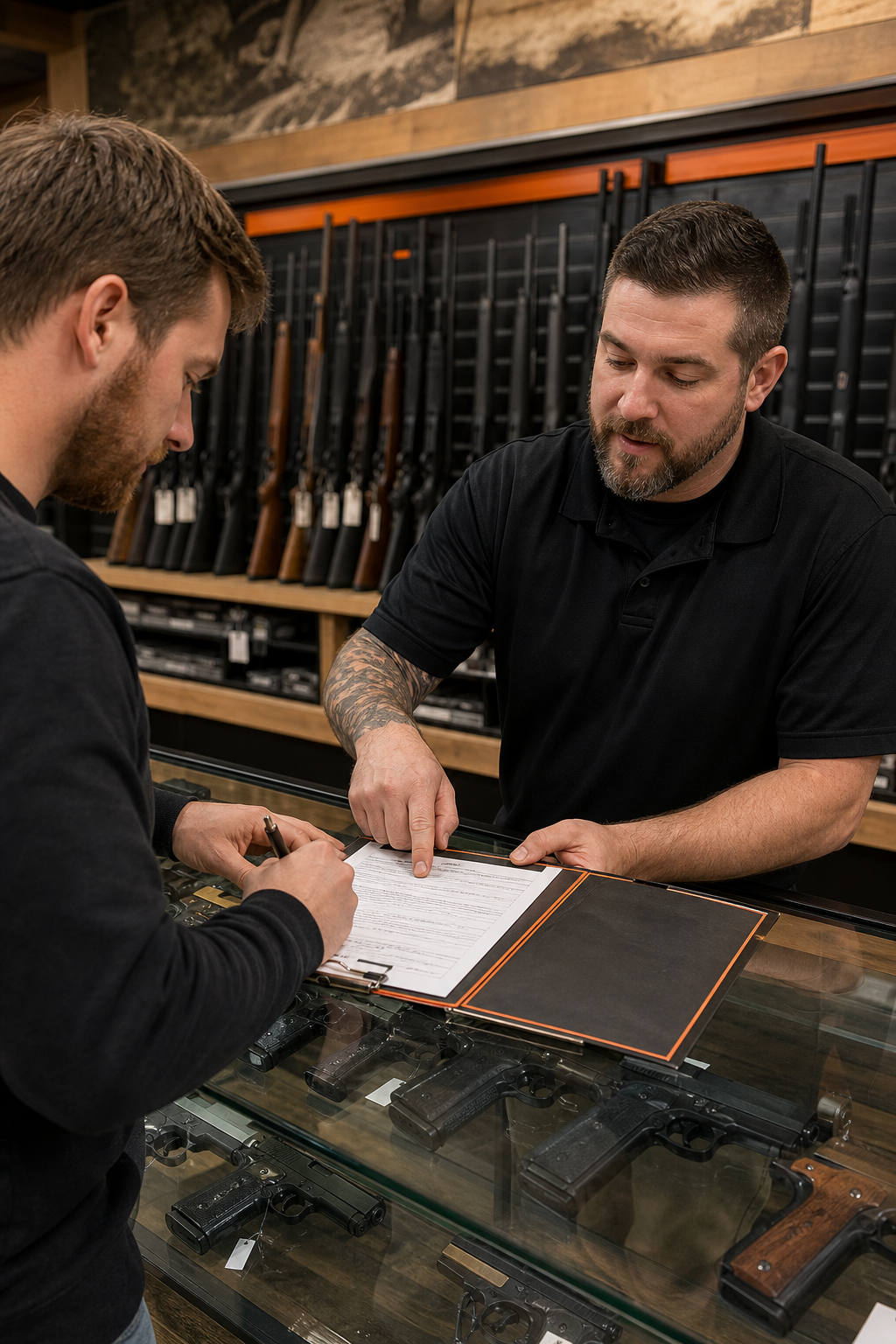
Step 3 is about access and paperwork. You’ll want a licensed dealer, known in the trade as a Federal Firearms License (FFL) dealer. An FFL is a seller who’s legally authorized to conduct firearm transactions and handle the transfer. This is the hub for your purchase, where you’ll fill out forms, present ID, and sign the transfer documents. The dealer’s role is to verify eligibility, ensure you understand the transfer terms, and help you get through the paperwork correctly. This is the moment where a calm, friendly, and patient approach pays off, especially if you’re a first-time buyer.
When you meet a dealer, bring the documents you’ve prepared: state ID, proof of residency, training certificates if required by your state, and any permits you may hold. If your state requires a valid firearms safety certificate or other proof, have it ready. If you’re a veteran, you may qualify for discounts through veteran‑owned businesses like 31 M Armory, and your status should be disclosed during purchase where allowed. For quick reference, on What Is an FFL? 2026 Guide for Gun Owners for a deep look at dealer licenses and transfer responsibilities. You’ll also find a clear path to understanding the transfer fee and any costs at the counter.
At this stage you should also discuss transfer timelines and what the shop can do to speed things up. Some dealers offer guided transfers or special handling that reduces confusion and delays. Before you buy, compare your options for transfer timing, storage, and training needs. For new buyers, it can be helpful to review our First Time Gun Owner Guide to ensure you’re aligned with the safety and training expectations that come with owning a gun. The right dealer can make a huge difference in how smoothly your purchase goes from start to finish.
Step 4: Complete Background Check & Purchase Process
Background checks are the core gate in gun safety and legality. The federal Brady Act requires federally licensed dealers (FFLs) to conduct background checks through the National Instant Criminal Background Check System (NICS). In practice, this system screens for disqualifying factors such as certain criminal histories and other prohibiting conditions. The process is designed to prevent illegal transfers while keeping the door open for legitimate buyers to complete a purchase. Most checks are fast, but some cases require more in-depth review. Your dealer will handle most of this, but you should know what to expect so you can plan accordingly.
Most background checks are completed within minutes, with a portion requiring additional time for local or state record checks. It’s important to remember that private party sales in some states also require a background check, but federal law does not cover every private sale. If you’re unsure how a given state handles private sales, ask your dealer for a clear explanation and a written transfer path. If delays happen, stay in touch with the dealer and be ready with any additional documentation they request. A well-run background check is a joint effort between you and the FFL; staying proactive helps prevent backlogs and miscommunications. For a broader context on the background check framework, you can review this official overview from the FBI: FBI NICS background check overview, and you can on the factors that shape background check timing.
To help you handle timing and expectations, we present a compact table that compares common timing scenarios and what they mean for your purchase. The table is designed to help you decide how to plan your shopping and which questions to ask at the counter. It also shows typical outcomes for different case types and how to interpret the results of your background check. This section is a key part of turning the process into a straightforward, repeatable workflow.
36 hours average processing time across two retailers (pre-computed metric)
After the check clears, you complete the purchase at the dealer and arrange the transfer to your approved location. The transfer may include a small fee and a waiting period depending on your state. Always ask for a written receipt and a copy of the transfer documents for your records. If you’re a first-time buyer, you’ll benefit from reading our Top 23 Factors That Shape How Long a Gun Background Check Takes to understand the timing dynamics that impact your buying window.
Step 5: Safe Storage, Training & Ongoing Responsibilities
Owning a firearm isn’t a one-time event. It comes with ongoing duties to keep yourself and others safe. Safe storage is a non-negotiable step. A solid storage plan includes a locking safe or trigger-lock devices, a plan for securing ammunition separately, and a system for controlling access to the firearm. If you have children or guests in your home, you’ll want to set up clear rules about when and where guns are loaded and accessible. Training is equally critical. Regular range time, formal safety courses, and continuing practice help you master safe handling, draw and fire drills, and maintenance routines. Training isn’t a one-off; it’s an investment in competence and peace of mind for you and those around you.
Beyond physical storage and training, you should stay current with safety guidelines and legal requirements. Some states require ongoing refresher courses or retraining if you’re purchasing a new type of firearm. You’ll find it useful to create a personal checklist for maintenance, safe storage, and quarterly safety reviews. If you’re a veteran or family member, you may have access to community resources or veteran-focused programs that promote responsible gun ownership. Our Veterans and veteran-owned business approach underpins how we talk about storage and training: straightforward steps, clear risks, and usable, repeatable routines that keep you safe every day. For more on safety training and home protection options, see Safety Training Resources, and consider steps you can take now to keep your home secure while remaining within the law.
As you move into ongoing responsibilities, remember that the buying journey is just the start. Build a practice of safe handling, dedicated storage, and regular practice with a focus on personal responsibility. We’re here to help you with gear, training guidance, and the transfer process. When you’re ready to browse gear and accessories that support responsible ownership, browse our selection at Shop – – 31M Armory.
FAQapalooza (Section Tip):
The final piece of this guide is dedicated to common questions you’ll hear as you go through eligibility, selection, and the legal flow. We’ll address questions about the basics of owning and buying a gun, how background checks work, and what to expect during the transfer process. You’ll find usable, actionable answers you can apply right away as you plan a responsible purchase.
FAQ
What is the first step to buying a gun legally?
Start with eligibility. Federal rules set a baseline, but your state may add requirements like residency proofs, training, or waiting periods. Confirm your status with your state’s regulations and your local FFL dealer. Plan a short checklist of documents you’ll bring to the shop and keep copies for your records. The right dealer will guide you through the paperwork, explain any state-specific rules, and help you coordinate the transfer in a compliant manner. This upfront work saves time and reduces stress during the purchase.
Do I need a background check for every purchase?
Most purchases require a background check if you buy from an FFL. The background check screens for disqualifying factors, and most checks complete within minutes. Some transfers involve longer delays if more information is needed or if there are state-level checks. It’s important to work with an FFL who clearly communicates the status of your check and timelines. If you’re buying from a private seller in a state that requires checks for private sales, understand those rules and how they apply to your transaction.
What’s the difference between federal and state law in gun buying?
Federal law sets a baseline across all states, but state law can add rules that affect who can buy, how transfers occur, and what kind of storage or permits may be required. This is why you’ll hear about waiting periods, training requirements, and specific permit needs in different states. Always verify both federal and state rules before you shop. Your local FFL dealer can be a trusted guide to this nuance and help you stay compliant.
How do I choose a dealer?
Look for a licensed dealer with solid verification processes, clear transfer timelines, and transparent fees. A good dealer explains eligibility, documents needed, and what happens at each stage. You should be able to ask about transfer times and any costs. A dealer with good training resources and post-purchase support can make the whole process smoother. If you’re new, seek a shop that offers guided transfers and helpful customer service to ease your entry into ownership.
What documents should I bring to buy a gun?
Bring government‑issued photo ID, proof of residence if required, and any state‑mandated documents such as a safety certificate or training proof. Some states require additional forms; your FFL will tell you exactly what to bring. Make copies of key documents and keep them organized. Having everything prepared reduces the chance of a delay at the counter and helps you move through the process quickly and safely.
How long does a background check take?
Most checks are completed within minutes. A subset of cases may take longer if the FBI needs extra time to review records or if state authorities must provide additional information. In practice, most buyers see results within a few hours, but be prepared for up to a few days in some cases. If there’s a longer delay, stay in contact with the dealer and provide any requested documentation promptly to keep things moving forward.
What should I know about safe storage and ongoing responsibilities?
Safe storage means securing the firearm and ammunition separately in a locked container or safe. Store the weapon unloaded unless you are actively using it, and keep the key or combination in a secure, separate place. Regular training and maintenance are essential to keeping the gun safe and functional. Review local laws on storage, transport, and child access, and consider enrolling in ongoing safety courses to stay current with best practices.
Conclusion
Buying a gun is not a one-step task. It’s a process with clear steps, from eligibility and legal requirements to picking a firearm that fits your goals, finding a licensed dealer, completing a background check, and adopting a solid safety plan. At 31 M Armory, we stand with veterans, hunters, and gun enthusiasts who want to buy responsibly. We’re here to guide you through every step and to offer veteran-friendly policies that reduce friction, like our 6% discount for veterans and a straightforward transfer flow. The steps above give you a usable framework you can apply in 2026 and beyond. Remember to verify state rules, maintain safe storage, seek training, and stay up to date with safety practices. Browse our shop to see the options that fit your needs, and keep this guide handy as a roadmap for future purchases and ongoing responsibility.
If you want to stay in the loop with more usable how-to guidance, s in the links above. We’ll keep updating our guides as laws evolve and as you advance in your ownership journey. And when you’re ready to take the next step, browse our vetted selection at Shop – – 31M Armory to find firearms and accessories that meet your needs. We’re happy to guide you through every step so you can make a confident, lawful purchase that serves your goals today and for years to come.