Gun safety isn’t a nice‑to‑have, it’s a must‑have for anyone who keeps a firearm at home. A recent market study shows most home gun‑safety solutions cost under $500, yet they still pack multiple locking methods. That means you can get solid protection without breaking the bank.
In the next few sections we’ll walk through the five key steps to lock down your firearms, store ammo safely, teach every family member, add access controls, and keep your safety system in shape for years to come. By the end you’ll have a clear, actionable plan you can start using tonight.
Step 1: Secure Firearms with a Safe
First things first: a gun belongs in a safe, not under a bed or in a closet. A safe creates a physical barrier that stops kids, guests, and thieves from getting to a loaded weapon. The most common type in the market is a steel safe that bolts to a wall or floor. A typical 14‑gauge carbon‑steel safe weighs about 120 lb and can hold several rifles and pistols while staying under $500 on average.
When you shop for a safe, look for these features:
- Heavy‑gauge steel (at least 14‑gauge) for pry‑resistance.
- Multiple locking mechanisms, most models bundle a keypad, biometric scanner, and a backup key.
- Interior shelving that can be re‑configured for rifles, shotguns, or handguns.
- Battery‑powered electronics with a clear low‑battery indicator.
We’ve seen the Vaultek line do a solid job on all of those points. Reviewers note that the fingerprint reader can store up to 20 unique prints, and the app lets you see who opened the safe and when. That kind of audit trail adds peace of mind, especially in a busy household.
Choosing the right safe also means matching it to your space. A 4.5‑ft‑tall safe fits in most basements or utility rooms, but if you need a low‑profile option for a bedroom, a tabletop biometric safe can work, just remember it may not be fire‑rated.
For a quick comparison of safe sizes, capacity, and price, check out Top Gun Storage Solutions for Every Home 2026. It breaks down the trade‑offs in plain language.
Bottom line: Secure your firearms in a certified, anchored safe that offers both keypad and biometric access.
Step 2: Store Ammunition Separately
Ammo is the fuel that makes a gun dangerous. The law in many states says you must keep ammo away from firearms, and research shows that separating the two reduces accidental shootings dramatically.
Here’s how to do it right:
- Pick a metal lockbox or a dedicated ammo cabinet that can be bolted down.
- Store the box in a climate‑controlled part of the house, ideally a dry basement or a closet with a dehumidifier.
- Label the box clearly and keep the key or combination out of reach of children.
Make sure the ammo box is locked with a different mechanism than your gun safe. A simple combination lock works, but a biometric lock adds an extra layer of protection.
When you buy an ammo box, look for features like a rubber‑lined interior to prevent dents and a built‑in humidity monitor. A dry environment keeps powder from degrading, which in turn keeps your guns from corroding. When choosing ammunition, consider which shotgun shells for home defense suit your needs; our Top Shotgun Shells for Home Defense 2026 Guide provides detailed recommendations.
Want a step‑by‑step guide on controlling humidity inside your safe? Gun Safe Humidity Control: A Step‑by‑Step Guide walks you through the best desiccants and digital hygrometers.
Remember to rotate old ammo out of the box and replace it with fresh rounds every few years. Expired powder can misfire, which is a safety hazard in itself.

Bottom line: Separate, secured ammo storage cuts the risk of accidental discharge and complies with safety laws.
Step 3: Educate All Household Members
Even the best lock is useless if someone inside the house doesn’t understand safe handling. Children, teens, and even adult guests need clear rules.
Research from Children’s Hospital of Philadelphia shows that three‑quarters of kids aged 5‑14 know where guns are kept in the home. When families receive both counseling and a free lock, safe‑storage rates jump dramatically.
Start a family safety meeting:
- Explain that a gun is never a toy. Show the difference between a real gun and a replica.
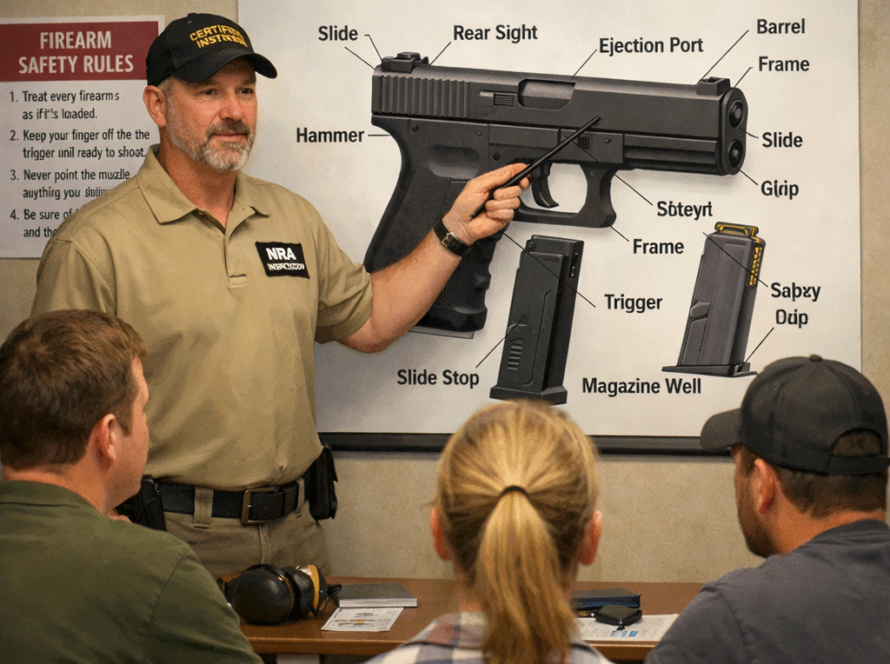
- Teach the “four rules”: treat every gun as loaded, keep the muzzle pointed down, keep finger off the trigger until ready to fire, and be sure of your target.
- Show how the safe and ammo box work. Let kids watch you lock and unlock, then let them practice the lock’s keypad (no finger on the trigger, of course).
Use visual aids. The CHOP program offers a printable fact sheet in several languages; it’s a good handout to leave on the fridge.
For more on the science behind child safety, on Children’s Hospital of Philadelphia’s gun‑safety research. It outlines why early education reduces accidental shootings.
We at 31 M Armory often provide safety brochures with every purchase. If you’re a veteran, you can claim a 6 % discount and we’ll add a free lock for your first safe.
Bottom line: Teach every resident the basic rules and review them regularly.
Step 4: Implement Access Controls
Now that your guns and ammo are locked away, you need to control who can open those locks. Modern safes let you add biometric fingerprints, keypad codes, and even smartphone alerts.
The Vaultek and other biometric safes let you store up to 20 unique fingerprints. That means each adult in the house can have a personal print, and you can delete a fingerprint instantly if someone moves out.
Another layer is a motion‑detecting alert. Devices like GunAlert® embed a tiny GPS and cellular chip that pings your phone the second the safe is moved. In a test, a stolen gun triggered an alert within two minutes, giving owners a chance to act.
To set up a biometric safe:
- Charge the battery fully and install the safe per the manufacturer’s guide.
- Register each fingerprint at different angles for better recognition.
- Set a master keypad code as a backup.
- Download the companion app and enable push alerts for any access event.
Here’s a quick video that shows how to program a fingerprint and set up alerts:
For a deeper look at how biometric locks work, read the Wikipedia entry on biometric security systems. It explains the technology behind fingerprint scanners and why they’re reliable for home use.
Bottom line: Use multi‑factor access controls so only authorized users can open the safe.
Step 5: Maintain Ongoing Safety Practices
Even the best lock can fail if you neglect maintenance. A safe that’s dusty, humid, or loose on its bolts can become a weak point.
Follow this maintenance checklist at least twice a year:
- Inspect the safe’s bolts and anchoring screws. Tighten any that have loosened.
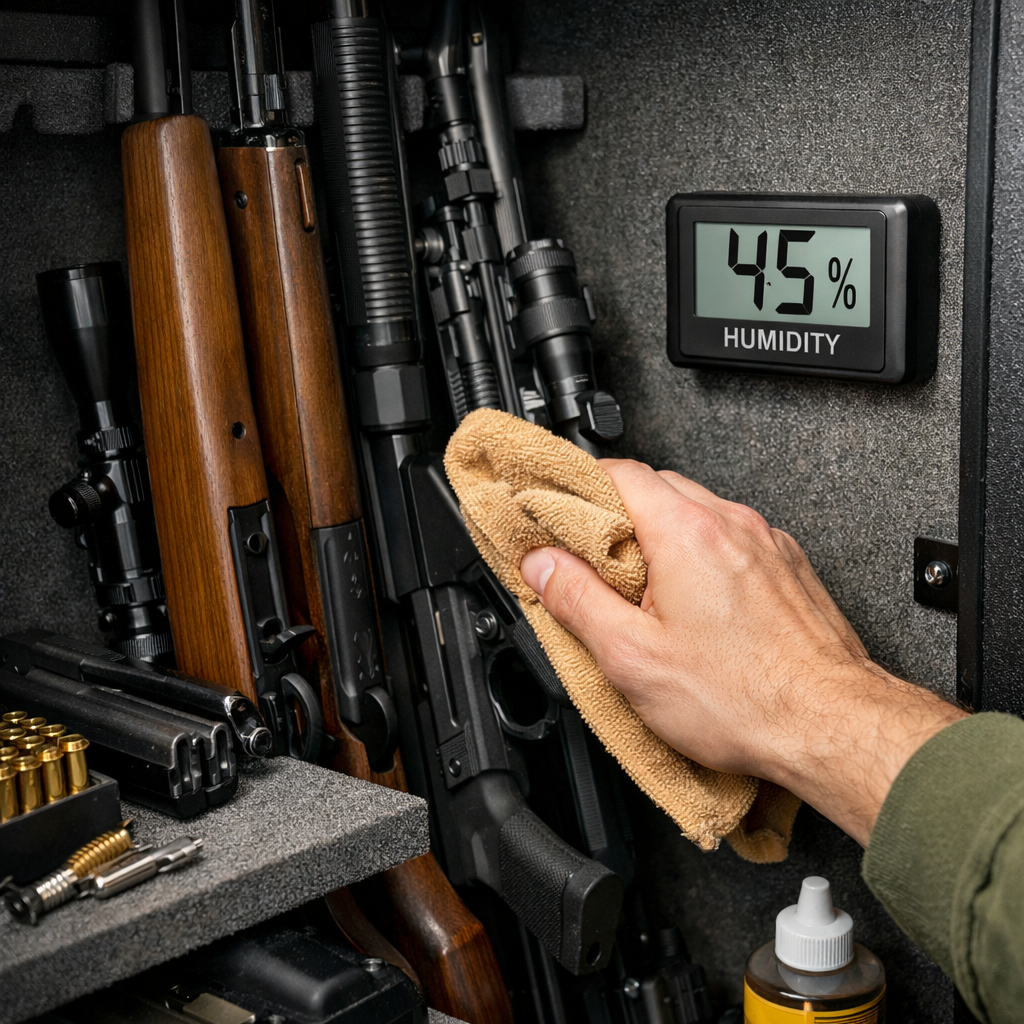
- Vacuum the interior and wipe the door seals with a damp cloth. Moisture can corrode the lock.
- Check the battery level on electronic safes. Replace or recharge as needed.
- Place a desiccant packet or a small dehumidifier inside the safe to keep humidity below 50 %.
- Test the lock mechanism by opening and closing it three times. Listen for unusual grinding.
If you live in a flood‑prone area, mount the safe on the second floor to avoid water damage. Avoid placing the safe near heat sources like stoves or water heaters, which can warp the metal over time.
Professional locksmiths can service the lock’s relocker and slip‑clutch mechanism every few years. That small investment saves you from a lock‑out when you need quick access.
For more on humidity control inside a gun safe, Best Dehumidifier for Gun Safe. It reviews models that fit in a standard safe without taking up ammo space.
Bottom line: Maintain your safe and lock system regularly to ensure long‑term security.
FAQ
How often should I change the safe’s combination?
We recommend changing the keypad code at least once a year, or anytime a household member who knows the code moves out. Changing the code is a simple process: open the safe, locate the “reset” button inside the door, press it, and follow the on‑screen prompts. This habit keeps your access list fresh and reduces the chance that an old code is compromised.
Can I store both rifles and handguns in the same safe?
Yes, as long as the safe’s interior dimensions can accommodate the longest barrel you own. Many safes come with adjustable shelves and removable racks, allowing you to configure the space for long guns on the bottom and handguns on a side shelf. Just be sure the safe’s weight rating can handle the total load.
What’s the best way to teach kids about gun safety?
Start with a short, age‑appropriate talk that explains guns are not toys. Use visual cues, like a bright red “No” sticker on any gun you own, to reinforce the message. Follow up with a hands‑on demo of the safe’s lock, showing that only adults can open it. Revisit the conversation regularly, especially when new visitors come to the house.
Is a biometric lock truly secure?
Biometric locks use fingerprint patterns that are unique and difficult to replicate. When paired with a keypad backup and an alert system, they provide layered security. However, keep the firmware updated and clean the scanner regularly to avoid false reads.
Do I need a fire‑rated safe for home defense?
A fire‑rated safe adds protection for documents and valuables, but it’s not required for basic gun safety. If you live in an area prone to wildfires, a fire‑rated model may be worth the extra cost. Otherwise, a solid steel safe with good locking mechanisms meets the legal and safety standards for most households.
How can I monitor my safe when I’m away?
Many modern safes sync with a smartphone app that sends push notifications for every opening, low‑battery warning, or tamper attempt. If you add a motion‑alert device like GunAlert®, you’ll also get a GPS‑based location ping if the safe is moved. This remote monitoring gives you instant awareness of any potential breach.
Conclusion
Keeping guns safe at home is a habit, not a one‑time task. Start with a sturdy, anchored safe, store ammo in its own locked box, teach every resident the rules, lock down access with fingerprints and alerts, and stay on top of maintenance. By following these steps you protect your loved ones and stay on the right side of the law.
Want to dive deeper into storage options? Check out our Top 10 Gun Storage Ideas for 2026 for creative ways to blend security with convenience.
We at 31 M Armory are proud to serve veterans and responsible gun owners alike. Our veteran‑owned shop offers expert advice, a 6 % veteran discount, and a curated selection of safes and accessories to help you put this plan into action.
Stay safe, stay informed, and keep your home secure.