A concealed carry gun spends nearly all of its life out of sight, pressed against a hip under a shirt or resting in a pocket. That single reality shapes every decision that matters: how small the pistol needs to be, how much it weighs when loaded, how fast you can bring it into action, and how well you shoot it under pressure. Choosing well is less about chasing one mythical best model and more about matching a handgun to your body, your clothing, your training, and the laws that apply where you live.
What Concealed Carry Means
Concealed carry, or carrying a concealed weapon (CCW), is the practice of carrying a weapon such as a handgun in public in a concealed manner. The firearm stays out of view rather than displayed openly. For most people who carry daily, that means a holster worn inside the waistband, an outside-the-waistband holster covered by a garment, or a pocket and ankle setup for smaller handguns.
The legal side is not uniform across the country. Twenty-one states generally require a state-issued permit in order to carry concealed weapons in public. Other states operate under Right-to-Carry laws, which recognize the right to carry concealed handguns when away from home without a permit, or with a permit issued by a state. Because the rules differ by jurisdiction, confirm the requirements that apply where you live, work, and travel before you carry.
What Makes a Handgun a Good Concealed Carry Choice
There is no single specification that decides the question. A handful of practical factors do most of the work, and they usually pull against each other.
Size and Weight
Smaller and lighter handguns hide more easily, which means you are more likely to carry one consistently. The tradeoff is real, though. Less mass and a shorter sight radius generally make a pistol harder to shoot accurately and less pleasant to practice with. Many experienced carriers settle on a middle ground: a pistol small enough to disappear under a t-shirt but large enough to grip properly and control during rapid fire.
Caliber and Capacity
Caliber is a balance between recoil, ammunition availability, and how many rounds a given frame can hold. A handgun you shoot confidently beats a handgun that punishes you at the range, because confidence comes from repetition and repetition is what builds skill. Capacity works the same way. A slimmer, lighter pistol may hold fewer rounds, while a wider double-stack frame holds more but prints more visibly under clothing. Ammunition availability matters too, since a caliber you cannot find on a shelf is a caliber you cannot practice with.
Action Type and Controls
Striker-fired pistols, hammer-fired pistols, double-action and single-action designs, and revolvers all have a place in concealed carry. What matters more than the category is familiarity. You need to know exactly what happens when you press the trigger, whether there is a manual safety, where the magazine release sits, and how the gun behaves if you have to fire one-handed. Controls that seem simple on a store counter can become confusing under stress, so pick a setup you can operate without thinking.
Reliability and Support
A carry gun needs to run reliably with the ammunition you plan to keep in it. That means range time with your chosen defensive load, not just a box of whatever was cheapest. Support matters as well: holsters, spare magazines, replacement sights, and parts availability. A pistol without holster options that fit your body and carry style is a pistol that will end up in a drawer.

The Main Categories of Concealed Carry Handguns
Most carry guns fall into a few broad groups. Understanding the tradeoffs in each helps you narrow the field before you ever handle a firearm.
Micro-Compacts
The smallest common category. These pistols prioritize deep concealment in light clothing, pocket carry, and hot-weather carry. They are easy to live with and hard to shoot well, particularly for newer shooters. Expect more felt recoil and a shorter grip that may leave your pinky hanging.
Subcompacts
A step up in size, often with a slightly longer barrel and grip. Subcompacts still conceal easily under a loose shirt while offering more control than the smallest pistols. This is a common first carry gun because it does not demand as much range time to become competent.
Compact and Mid-Size Pistols
These are the closest thing to a do-everything option. A compact or mid-size pistol can serve as a home defense gun, a range pistol, and a carry gun with the right holster and cover garment. Capacity is usually better and recoil is easier to manage. The cost is weight and bulk, which is why belt and holster quality matter so much with this group.
Revolvers
Revolvers remain a legitimate choice, especially for shooters who want a simple manual of arms and no magazine to worry about. Small-frame revolvers conceal well and can be fired from inside a coat pocket. The tradeoffs are lower capacity and a heavier, longer trigger pull on most defensive models.
Do You Need a Permit to Carry Concealed?
That depends entirely on your state. Some states issue permits through a specific agency, some use an online portal, and some recognize carry rights with no permit required at all. The four-step process most resources describe is straightforward: research your state requirements, take a CCW course, complete the application, and keep your license and training current.
The table below shows how different states handle the process, based on published state sources.
| State | What published state sources show |
|---|---|
| Virginia | Resident Concealed Handgun Permits are issued by the circuit court of the county or city where the applicant resides. |
| California | State law requires a person who wants to carry a concealed weapon in public to obtain a Carry Concealed Weapon (CCW) license. |
| Louisiana | Concealed Handgun Permit applications run through an online portal at CHP.LA.GOV. The portal handles Concealed Handgun Permits only and lists weekday hours. |
| Pennsylvania | Carrying a firearm in a vehicle or concealed on your body without a valid license is a misdemeanor of the first degree, with exceptions such as your home. |
These are examples, not a complete map. Permit fees, training requirements, renewal periods, and reciprocity agreements change, so check your state police or attorney general website for current rules before you apply or travel armed.
Training and Ongoing Practice
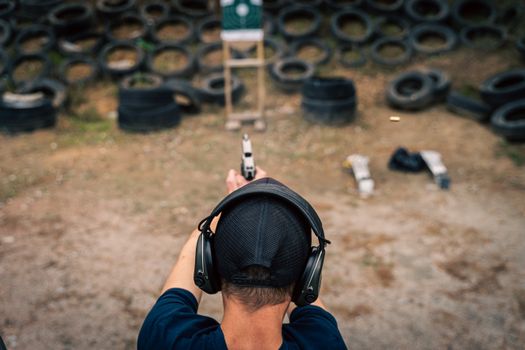
Buying the gun is the easy part. A CCW course is often a prerequisite for a permit, but the course is a starting point rather than a finish line. Draw practice from concealment, dry fire at home with a cleared firearm, and live fire sessions focused on accuracy under time pressure all build the skills that matter. Many carriers also take a dedicated self-defense workshop to understand when force is legally justified, since a permit is not the same thing as legal knowledge.
Keeping your license and training current is part of the process too. Renewal deadlines sneak up, and a lapsed permit turns a lawful carry into a problem.
Ammunition, Holsters, and Carry Accessories
The gun is one piece of a system. A quality holster that covers the trigger guard and stays put during movement comes first. From there, consider spare magazines or speed loaders, a sturdy belt rated for the weight of a loaded pistol, defensive ammunition you have actually tested, and sights you can pick up quickly. Optics and upgraded sights help some shooters, and iron sights remain perfectly workable for others.
31 M Armory stocks handguns, ammunition for pistol and rifle calibers, gun magazines, AR-platform accessories such as MAGPUL PMAGs, optics, scopes, sights, and additional gear, so most of the supporting equipment can come from the same place as the firearm.

Buying a Concealed Carry Gun Online
Ordering a firearm online works differently than ordering accessories. The handgun ships to a Federal Firearms License dealer near you, and you complete the transfer and background check in person at that dealer. First-time online buyers should read the FFL transfer explanation before ordering so there are no surprises about timing or paperwork.
31 M Armory is a veteran-owned retailer selling firearms from brands including Smith & Wesson and Heckler & Koch, along with ammunition and accessories. If you already know which pistol fits your hand and your carry style, buying online is a practical way to get it. If you are still deciding, start by handling a few options at a local range or dealer, then shop once you know what you want.
Frequently Asked Questions
Do I need a permit to carry a concealed handgun?
It depends on your state. Twenty-one states generally require a state-issued permit to carry concealed weapons in public. Other states operate under Right-to-Carry laws that recognize the right to carry concealed handguns away from home without a permit, or with a permit issued by a state. Always verify current rules with your state police or attorney general before carrying.
What is the first step in getting a concealed carry permit?
Start by researching your state requirements, because the issuing authority and paperwork differ by location. Virginia, for example, issues resident permits through the circuit court of the county or city where you reside, while Louisiana accepts Concealed Handgun Permit applications through an online portal at CHP.LA.GOV. After confirming requirements, the usual sequence is a CCW course, the application, then keeping your license and training current.
Can I carry concealed in all 50 states?
No. Concealed carry rules vary widely, and there is no single national license. California requires a Carry Concealed Weapon license to carry in public, Pennsylvania treats unlicensed concealed carry as a misdemeanor of the first degree, and other states recognize carry rights with no permit. Check each state you plan to visit and confirm reciprocity before you travel with a firearm.
Should I buy my first concealed carry gun online?
You can, and the process is well established. The firearm ships to a Federal Firearms License dealer near you, where you complete the transfer and background check in person. It works best when you already know which model you want. Handling a few options locally first helps you confirm the grip, trigger, and size suit you before ordering.
What accessories matter most for concealed carry?
A safe, well-fitting holster and a sturdy belt come first, since they determine whether the gun stays concealed and accessible. Next, add spare magazines or speed loaders, defensive ammunition you have tested at the range, and sights you can acquire quickly. Optics and upgraded sights are useful for some shooters, while others do fine with factory iron sights and more practice time.