Finding the right gun lube can feel like searching for a needle in a haystack. The market is crowded, prices vary, and claims are loud. We’ve cut through the noise to bring you a short list of five products that actually deliver the performance shooters need. In this article you’ll see a quick rundown of each pick, the key pros and cons, and usable tips on how each one fits different shooting styles. By the end you’ll know which lube matches your firearm, your budget, and the conditions you face on the range or in the field.
1. All‑Purpose Gun Oil, Classic All‑Purpose Lube
This all‑purpose gun oil has been a staple in gun rooms for more than a century. Its high‑viscosity formula stays where you put it, so moving parts stay slick without dripping onto the wood stock. The oil resists hardening, gum formation, and expiration, which means you can keep a bottle on the shelf for years without worrying about it going bad.
When you apply it, the oil creates a thin film that reduces metal‑to‑metal contact. That film helps keep the bolt carrier group, slide rails, and trigger components moving smoothly, even after many thousand rounds. Because it doesn’t turn into a waxy residue, you won’t see buildup that can attract dust.
What makes it a solid all‑purpose pick is its versatility. You can use it on handguns, rifles, fishing reels, or any precision mechanism that needs light, long‑lasting lubrication. The bottle’s twist‑top dispenser gives you precise control, so you waste less oil and avoid over‑lubricating.
Imagine you’re out hunting in early spring and a light frost forms on the metal. A quick swipe of this gun oil keeps the action fluid, preventing the slide from sticking. In a range‑day scenario, the oil’s resistance to hardening means you can re‑oil the same parts day after day without the feel of a gummy mess.
We trust this product because it’s made in the USA and has a track record that spans generations of shooters. Our own best‑gun‑lubricant guide highlights it as a top pick for both new and veteran owners.
According to Wikipedia’s definition of firearm lubricant, an effective gun oil must reduce friction, protect against corrosion, and not leave sticky residue. This oil checks all those boxes.
2. Lightweight Everyday Carry Gun Lube
The lightweight lube is built for shooters who want a thin, non‑sticky formula that won’t add bulk to a concealed‑carry kit. The 725‑grade version is water‑based, biodegradable, and low‑odor, so you can carry it in a pocket without worrying about a strong chemical smell.
Its cleaning power rivals many CLP products. The formula cuts carbon, removes old oil, and strips grime in a single spray. After you wipe the surface clean, you can add a light coat of your favorite oil or let the lube’s own thin film protect the metal.
One of the biggest wins is the sprayer design. The pump bottle delivers a fine mist that wets the surface without soaking it. You let the spray sit a few seconds, then brush or rag off the residue. The process is quick, which is perfect for a field day when you need to clean several firearms in a row.
The lightweight lube also shines beyond guns. It works on bike chains, ATV parts, and even knives. That versatility means you can buy one bottle for all your gear, reducing the number of chemicals you carry.
We’ve seen shooters use the lightweight lube to prep a pistol before a competition. The thin film prevents metal‑to‑metal binding during rapid fire, while the low‑viscosity nature means the action stays fast and crisp.
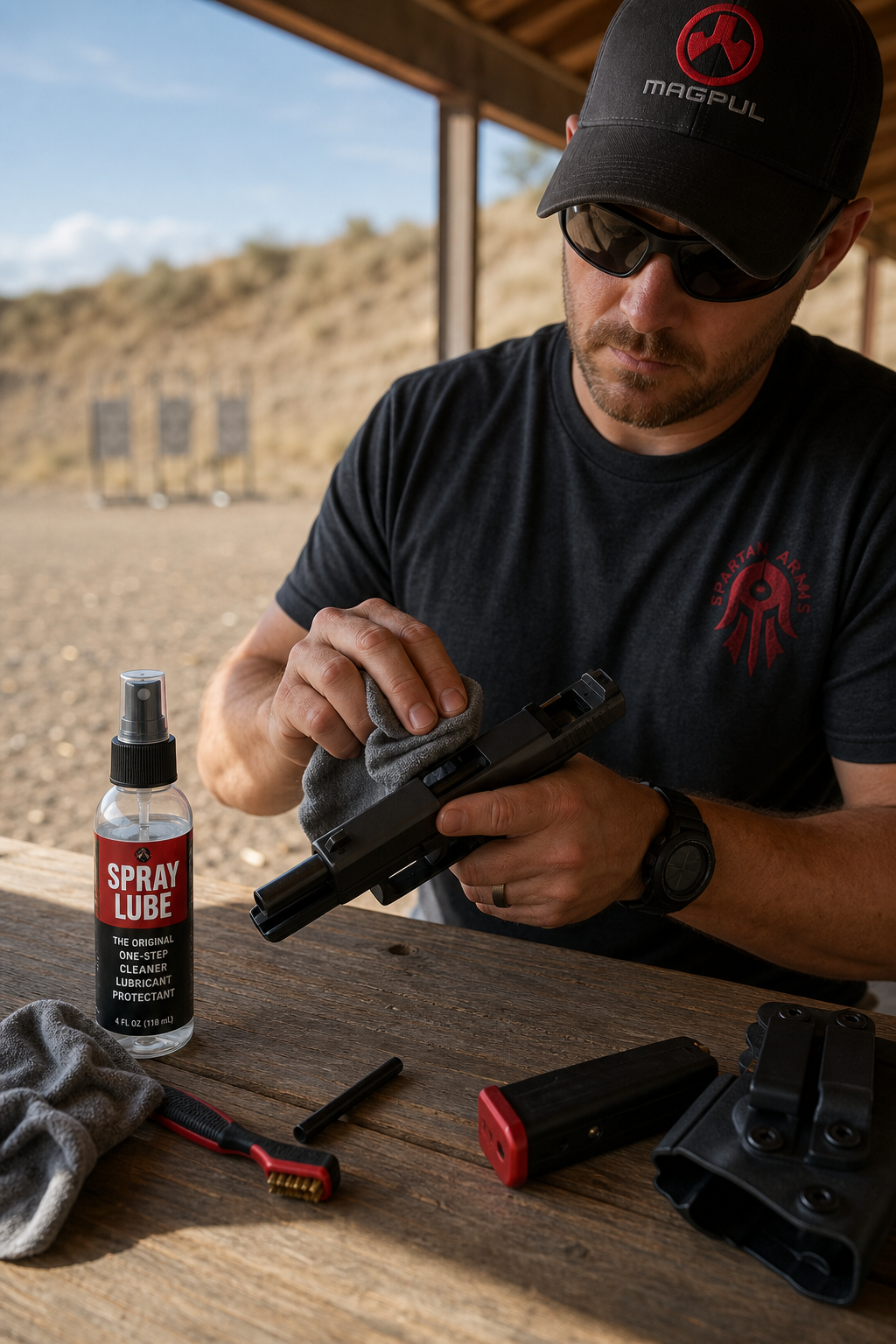
For more on cleaning solutions, check out our gun‑cleaning‑kit roundup. It pairs well with the lightweight formula.
3. Premium All‑in‑One CLP, Clean, Lubricate, Protect in One
The CLP (Clean, Lubricate, Protect) blends a polymerized synthetic oil with anti‑wear additives. The result is a product that removes fouling, lubricates moving parts, and leaves a protective coating that fights rust.
The formula works in extremes: from -65 °F to +475 °F and even after salt‑water immersion. That makes it a solid choice for marine hunters, desert shooters, and anyone who faces temperature swings.
When you spray the CLP onto a hot barrel, the penetrative base breaks loose carbon and grime. The oil then forms a thin boundary film that reduces friction. Finally, the corrosion inhibitors seal the metal, keeping moisture out. Because the product is all‑in‑one, you can skip a separate cleaner. That saves time on the range and cuts down on the number of bottles you have to pack.
Imagine you’re on a weekend hunt in the mountains. A sudden rainstorm hits. The CLP protects your rifle’s bolt and barrel from rust, even after you pack it away for the night.
We like the fact that the CLP’s polymer base doesn’t break down into a gummy mess. Our cleaning‑solvent guide notes that a clean surface lets the CLP work even better.
4. Advanced Synthetic CLP, High‑Tech Synthetic Formula
The CLP is a veteran‑owned, law‑enforcement‑backed formula that aims to simplify gun care. It merges cleaning, lubrication, and protection in a single bottle, so you can skip swapping products mid‑maintenance.
The synthetic base oil stays fluid at low temperatures, which helps shooters in cold climates keep their firearms cycling smoothly. At the same time, it resists thinning at high heat, a common issue for high‑volume shooters.
What sets this CLP apart is its dual‑bottle design: a 2 oz fine‑mist spray for broad coverage and a 1 oz needle oiler for tight spots. The spray handles the outer metal and larger surfaces, while the needle gets into the tiny recesses of a pistol’s slide rails.
In field tests, shooters reported that the CLP left a clear, non‑sticky film that didn’t attract dust. That matters because over‑lubricated parts can pull in grit, leading to jams.
Consider a scenario where you store a rifle for months in a humid safe. A thin coat of the CLP prevents moisture from reaching the metal, curbing rust formation without the need for a separate preservative.
We’ve paired the CLP with our humidity‑control guide to help readers protect guns in storage.
5. Premium Synthetic Gun Oil, Premium Long‑Lasting Protection
Premium Synthetic Gun Oil is marketed as a high‑end synthetic oil that offers a long‑lasting barrier against wear and corrosion. Its viscosity is balanced to stay put on moving parts while still flowing into tight clearances.
The oil includes anti‑wear additives that work under boundary lubrication conditions, those moments when the metal surfaces briefly lose the full fluid film during rapid firing. The additives create a chemical shield that protects against metal‑to‑metal contact.
Because the formula is synthetic, it maintains stable viscosity across temperature swings. You’ll see the same smooth action whether you’re shooting in a cold basement or a hot desert range.
This product also scores points on scent. The oil has a mild, almost neutral odor, which makes it pleasant for indoor cleaning sessions where strong chemical smells can be off‑putting.
In a usable test, a shooter applied the oil to a pistol’s slide and observed no change in cycling speed after 1,000 rounds. The protective film stayed glossy and didn’t dry out, indicating solid longevity.
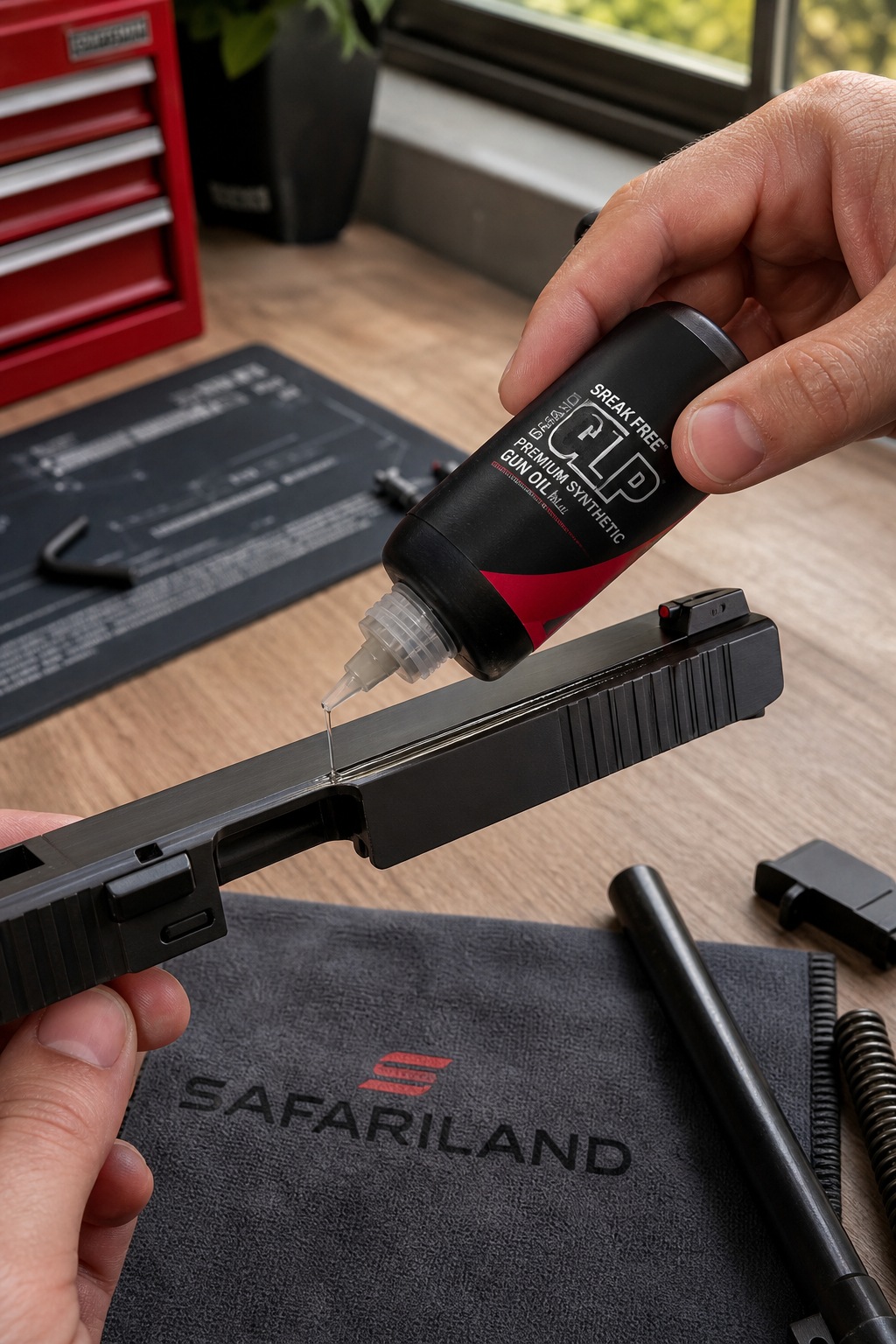
When you pair this oil with a routine cleaning schedule, you get a gun that feels smooth and resists rust even after weeks of storage. Our step‑by‑step handgun‑cleaning guide recommends a light oil coat after each thorough wipe down.
6. Comparison Table: Features & Use‑Cases
Use this table as a quick reference when you decide which product matches your routine. The rows highlight the core strength of each lube, from heavy‑duty protection to everyday convenience.
7. What to Look For When Picking a Gun Lube
Choosing the right gun lube starts with understanding three core factors: viscosity, temperature stability, and corrosion protection. Viscosity determines how the oil spreads. A high‑viscosity oil like Hoppes stays on larger surfaces, while a low‑viscosity formula like Slip 2000 reaches tight clearances.
Temperature stability matters because oil can thin out in heat or thicken in cold. Synthetic bases, such as those in CLS and Rem Oil, keep a consistent film across a wide range. That means your firearm will cycle reliably whether you’re shooting in a desert noon or a winter basement.
Corrosion protection is the third pillar. Look for additives that form a barrier against moisture. CLP products often embed rust inhibitors directly into the formula, giving you a two‑in‑one solution.
We also recommend checking the product’s packaging for precise applicators. A needle‑tip oiler reduces waste and lets you target tiny parts like trigger pins. A spray bottle is better for quick, broad coverage.
Finally, think about your shooting habits. If you fire a high volume of rounds in a short time, a synthetic oil that resists heat breakdown will prolong part life. If you store guns for months, a CLP with strong rust inhibitors will keep them safe in a safe or cabinet.
8. FAQ
What is the difference between oil and CLP?
Oil is a pure lubricant that reduces friction between moving metal parts. CLP combines a cleaner, a lubricant, and a protectant in one formula. Oil gives you a thin film for smooth action, while CLP also removes fouling and adds a rust‑blocking layer. For everyday carry, a light oil may be enough. For field maintenance, a CLP can save you time and tools.
How often should I apply gun lube?
Apply a thin coat after every thorough cleaning. If you shoot daily, a quick wipe‑down and a dab of oil keeps the action smooth. For occasional shooters, re‑oil after each range visit or before storing the gun for more than a month. Over‑oil can attract dust, so keep the coating light.
Can I use automotive motor oil on my gun?
Automotive motor oil is not formulated for the high‑temperature spikes and precise tolerances of firearms. It can leave residues that attract debris and may not protect against corrosion. Stick with products labeled for firearms, such as the picks in this list, to ensure reliable performance and safety.
Is a biodegradable gun lube safe for my firearm?
Biodegradable lubes, such as a biodegradable option, break down naturally and are gentle on the environment. They work well for cleaning and light lubrication, but they may not offer the same long‑term rust protection as synthetic CLP formulas. Use them for quick clean‑ups or when you need a low‑odor option.
Do I need a different lube for rifles vs. pistols?
The basic principles are the same, but rifles often have larger surfaces and more moving parts, so a higher‑viscosity oil can stay in place better. Pistols benefit from low‑viscosity oils that can flow into tight slide rails. CLP products work well for both because they adapt to the surface they coat.
How can I tell if my gun needs more lubrication?
Listen for a gritty feel when cycling the action, or feel resistance in the slide. Visual signs include metal‑to‑metal contact, rust spots, or a dry‑looking surface. If you notice any of these, wipe the area clean and apply a fresh coat of your chosen lube.
9. Conclusion
We’ve walked through five gun lubes that cover the spectrum from classic oil to high‑tech synthetic CLP. A trusted, all‑purpose formula that ages well is offered. A thin, low‑odor spray shines for everyday carry. A high‑temperature, salt‑water resistant CLP stands up to the harshest conditions. A veteran‑owned dual‑bottle CLP provides credibility and a handy design. A premium synthetic oil delivers protection for high‑volume shooters.
Pick the product that matches your shooting style, climate, and maintenance routine. Remember the three pillars, viscosity, temperature stability, and corrosion protection, when you make your decision. And if you need more guidance, we at 31 M Armory are ready to help you find the perfect match, with a 6 % veteran discount to boot.
Keep your firearms humming, protect them from rust, and enjoy every shot knowing your lube is doing its job.