Looking to move a firearm to you the right way? In 2026, there are many paths to get a gun legally from seller to buyer. An FFL transfer is the process that makes this happen, with different routes, costs, and timing. We’ll walk you through a clear shortlist of named options so you can pick the one that fits your situation. You’ll learn what an FFL transfer is, how long it takes, typical fees, and where to find trusted help. This guide is written for veterans, enthusiasts, and first‑time buyers who want plain language steps and real-world guidance. We’ll also point you to our own trusted resources and how to compare services without getting tangled in jargon. By the end, you’ll see the trade‑offs and know how to move fast and stay compliant. And yes, we’ll keep you informed with practical steps you can act on today.
What you’ll learn: the key options for what is an FFL transfer, how each works, typical fees, and how to pick the best fit for your needs. We’ll also share tips to avoid common missteps and a quick checklist you can print or save. Let’s dive into the practical picks and how to use them to your advantage.
1. GunBroker.com Transfer Service , Online Marketplace Facilitator
GunBroker is an online marketplace that many buyers use to find firearms from private sellers and dealers. When you buy on GunBroker and need the gun transferred to a local FFL, you’ll work with the selling dealer to arrange the transfer to your chosen receiving FFL. The core workflow is simple: the seller ships to your FFL, your receiving dealer runs the required paperwork, and you complete the background check and pickup. Fees vary by dealer, and the receiving FFL usually charges a transfer fee. In practice, you’ll see a typical range of $10 to $50 for the transfer, with some dealers charging more or offering bundled services. Timeframes hinge on the dealer’s processing speed and the NICS background check timeline. If you’re buying from a long-distance seller, you’ll also want to factor shipping time. What Is an FFL? 2026 Guide provides foundational context for how these transfers fit into the bigger legal picture. We’re happy to guide you through every step.
As a practical tip, keep your seller’s information and your receiving FFL’s contact details ready. You’ll also want to confirm the receiving FFL’s preferred form 4473 process and any in‑state waiting periods. If you’re purchasing from GunBroker, plan for a week or more from the point of purchase to pickup, depending on location and state rules.Note: some of these transfers can involve additional paperwork for NFA items or restricted classes, so verify item type before you buy.
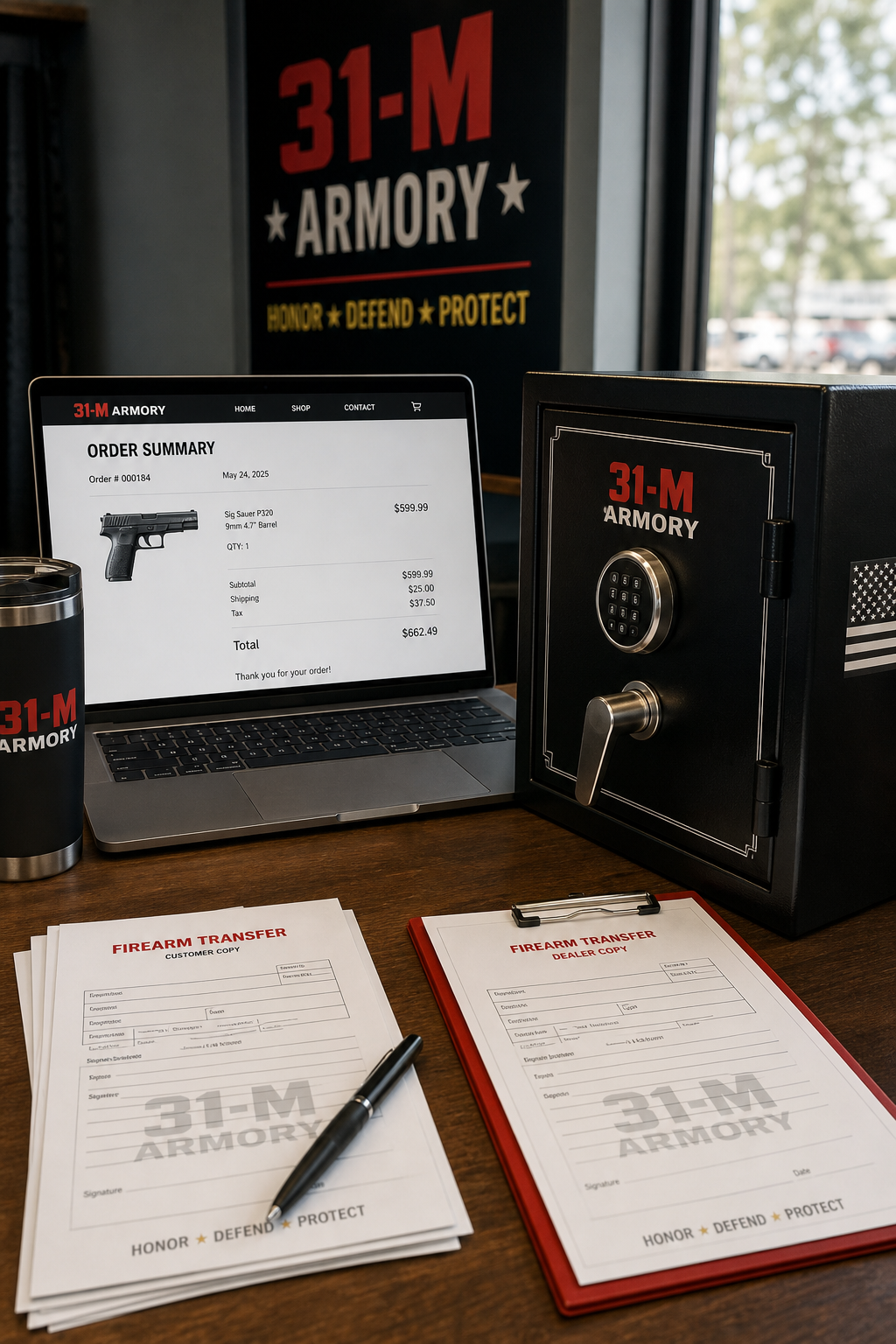
Bottom line: GunBroker transfers follow a familiar path, buyer, seller, and receiving FFL each play a role, with fees and timing varying by the dealer and state rules.
2. Armslist.com Private Transfer Assistance , Peer‑to‑Peer Platform
Armslist is another peer‑to‑peer hub that connects buyers and sellers, with a focus on private transfers and listing variety. In many states, private-party sales are allowed without a dealer, but interstate transfers require an FFL on both ends. Armslist sellers vary in how they handle the paperwork; some offer full transfer services, while others provide only the listing and require you to coordinate directly with a local FFL. Fees for private transfers commonly fall in a wide range, and the marketplace itself doesn’t set a universal fee. You’ll likely see a transfer fee charged by the receiving FFL or the selling party, but the exact amount depends on local policies and the type of firearm. The research context shows that private transfers can involve complex state-by-state rules, so verify local requirements before pulling the trigger. California DROS rules can influence the process if you’re in a universal background check state.
For a hands‑on, private‑party transfer strategy, start by confirming that the seller is compliant and holds a valid FFL if required by your state. Then, share the receiving FFL’s license and details so the transfer can be logged correctly in their system. Keep records of every step, including the NICS check status and the date of submission, to avoid any compliance concerns. If you’re in a universal background check state, use a local FFL that can handle the entire process and offer a clear fee schedule.
Bottom line: Armslist enables peer‑to‑peer transfers, but success hinges on strict compliance with dealer requirements and state laws.
3. Local Gun Store FFL Transfer , In‑Store Service
Local gun stores often offer in‑house FFL transfer services. This is convenient because you can hand over the paperwork, pay the transfer fee, and complete the background check in a single visit. In many shops, the process is straightforward: you provide the seller’s info, the FFL receives a copy of their license, and you pay a transfer fee that covers administration and the background check. Timeframes vary; some stores process within 24, 48 hours, while others run a bit longer depending on queue and state processing times. The in‑store transfer can be ideal for first‑time buyers who want personal guidance and a clear, predictable fee structure. You can also request expedited processing if you’re facing a time constraint. Understanding the FFL Transfer Fee: 2026 Complete Guide has practical tips for negotiating fees and avoiding surprise charges.
Looking for a trusted local option? A veteran‑owned shop can be a strong fit because they often offer better terms for veterans and provide ongoing support beyond the sale. Transit times depend on the distance between the seller and your chosen FFL, plus the speed of your background check. Always bring a valid photo ID, ensure your 4473 form is complete, and confirm the store’s hours. The store may also offer a warranty or post‑sale support to help you with accessories or training.
Bottom line: In‑person transfers at a local FFL are convenient for most buyers, especially when you want guidance and predictable costs.
4. Federal Transfer Agent (FTA) Services , Professional Handling
Federal Transfer Agent services are professional outfits that focus on handling transfers for busy buyers and dealers. They specialize in coordinating paperwork, running background checks, and ensuring compliance across jurisdictions. The advantage is speed, consistency, and a clear fee structure. Fees can vary widely depending on the service level, some charge a flat fee, others add per‑item or per‑transfer costs. When you choose an FTA, you’ll typically provide the seller’s FFL, the receiving FFL, your identification, and any required forms. The FTA handles the submission to the appropriate authorities, tracks the progress, and notifies you when the transfer is complete. In practice, FTAs are a strong option for buyers who want a predictable, transparent process and minimal friction.
For veterans and long‑time gun owners, FTAs can be a good fit when you’re juggling multiple transfers or buying across state lines. As you compare FTAs, check their license status, insured handling, and whether they provide a single‑point contact for updates. If you’re in a state with special rules on private party transfers, confirm that the FTA can handle those nuances and provide documentation retention that aligns with ATF guidance. California DROS rules influence how these services operate in universal‑background‑check states, so be sure to check local requirements.
Bottom line: FTAs offer professional, simplifyd handling of transfers with predictable fees and updates.
5. Interstate Transfer via USPS , Mail‑Order Option
Shipping a firearm across state lines via USPS, UPS, or FedEx must go through an FFL on both ends. The process mirrors an in‑store or online transfer, but the main difference is logistics. You’ll typically start by purchasing the firearm from an out‑of‑state seller, then arrange delivery to a local FFL of your choice. The receiving FFL will perform the required background check, record the transfer, and release the firearm to you after processing. Shipping times can vary, so plan for possible delays. Fees for interstate mail‑order transfers often cover shipping, the receiving FFL transfer, and the background check, and the total can range from modest to about the same as a standard dealer transfer depending on the state and dealer. Understanding the FFL Transfer Fee helps frame what you’ll typically see in practice.
When using USPS with an interstate transfer, ensure you’re compliant with both origin and destination state laws. Some states require additional forms or waiting periods beyond federal rules. Be prepared to show your driver’s license, purchase details, and the transferring FFL’s contact information to avoid delays. This option suits buyers who live far from a dealer but want a direct, trackable transfer path.
Bottom line: Interstate USPS transfers follow the same legal checks, but shipping speed and state requirements can add time and cost.
6. State‑Run FFL Transfer Centers , Government Facilities
Some states operate official transfer centers or government facilities where transfers are centralized and supervised by state authorities. The benefit is consistent handling and clear, centralized oversight. You’ll typically need to bring your ID, proof of eligibility, and the seller’s transfer details. The center will coordinate with the receiving FFL and ensure the transfer logs are complete, including Form 4473 and background checks as required. The main trade‑off is location and scheduling; some centers can be busy, leading to longer wait times. If you’re shopping for a veteran‑friendly option, check whether the state program offers preferred hours or priority service for veterans or first‑time buyers.
In practice, state centers can simplify complex multi‑state transfers by providing consistent documentation and a single point of contact. They also tend to emphasize compliance, which helps reduce risk for you as the buyer. Always verify the latest rules for your state, including any unique paperwork retention requirements and duration of records.
Bottom line: State transfer centers offer centralized handling and clear rules, but plan ahead for scheduling and location access.
7. Private Dealer‑To‑Dealer Transfer , Business Network
Some buyers want to move guns through a dealer network rather than a single shop. In a dealer‑to‑dealer transfer, one dealer ships to another dealer, who then completes the transfer to the buyer. This can be common in private party sales or when a buyer wants to use a dealer’s in‑house paperwork system. Fees here can be bundled with shipping or charged as a standalone transfer fee, and you’ll still face the required background check and Form 4473 process. The network approach can simplify the coordination step when you’re dealing with multiple items, or when the buyer and seller live in different states. It’s important to confirm each dealer’s processing times, storage rules, and any cross‑state transfer limits that may apply.
Because private transfers are heavily influenced by state law, you should map out your destination’s rules before initiating. If you’re a veteran or affiliated with a veteran‑owned shop, you may receive added support or discounts when you use a dealer network that understands your needs. For more on how fees stack up and what to expect for private transfers, s linked below. Understanding the FFL Transfer Fee: 2026 Complete Guide.
Bottom line: Dealer networks can speed up coordination but require careful checks on state rules and dealer policies.
8. Online Broker‑Mediated Transfer , Third‑Party Services
Online broker services act as intermediaries that help align the seller and buyer with an FFL. They can provide standardized transfer documents, help with scheduling, and offer a consistent fee structure. These services are designed to reduce friction and speed up the background check process, while still ensuring compliance with federal and state rules. Fees are typically quoted as a flat transfer fee plus any shipping or handling. If you value predictability, a broker‑mediated transfer can be a good fit. It’s wise to verify what’s included and whether the broker has experience with NICS checks and state‑specific paperwork to avoid delays.
When choosing an online broker, confirm that they are transparent about all costs and that they’ll provide a named receiving FFL with verified contact details. You should also confirm that the broker will share the receiving dealer’s bound book entry and 4473 record for your personal records. Always check recent state laws on private party transfers to ensure you’re compliant.
Bottom line: Online broker services can reduce friction, but you still pay attention to state rules and exact fees.
9. NFA Item Transfer via Licensed Dealer , Special Category
Transfers involving NFA items (like suppressors or short‑barreled rifles) are a special category. They require an ATF transfer, tax stamps, and a longer approval window. The process is more complex than standard transfers, and it often involves additional forms (for trusts or individuals), and a longer wait time due to background checks and tax stamps. Always verify the specific item’s status under the NFA and work with a dealer who has SOT (Special Occupational Tax) status if needed. Guidance from trusted dealers and compliance specialists can save you headaches and help you understand forms and timelines more clearly.
Remember that NFA transfers can be delayed by background checks and ATF processing times. Your dealer should provide a clear timeline and a realistic expectation for when you’ll receive the item after final approval. If you’re new to NFA transfers, consider working with a dealer who has experience with tax stamps and Form 4 or Form 3 pathways.
Bottom line: NFA transfers are a specialized niche with longer timelines and extra paperwork; work with an experienced dealer.
10. 23‑Year Document Retention Service , Record Keeping
Record keeping matters. Many dealers retain transfer records for decades, and some even plan to maintain records for life. For you as a buyer, this isn’t about keeping a stack of forms forever, but about knowing your records will be there if you need to verify a transfer years down the line. Some dealers use digital binding and secure cloud storage to ensure you can retrieve documents if needed. For dealers, long‑term retention means strong data storage and clear retention policies to comply with ATF and state requirements. If you’re evaluating a transfer option, ask about retention periods and how they handle lost or damaged paperwork.
State and federal retention requirements vary; some go beyond the ATF minimums. A reputable dealer will outline how long they keep 4473s, bound books, and any related records, and how you can access them if needed. This is also a good moment to confirm data privacy practices for your personal information.
Bottom line: Long‑term retention of transfer records is a critical compliance area that buyers should understand when choosing a transfer service.
11. ZIP‑Code FFL Lookup Tool , Find Local Dealers
Finding the right FFL is easier with ZIP‑code lookup tools. These tools help you locate licensed dealers within a chosen radius and verify their status. The result is a faster, more reliable path to arrange a transfer. When you pick a dealer, check their hours, transfer‑fee policy, and proximity to your home. You can also verify the dealer is currently licensed through official channels. The lookup tool helps you quickly narrow down options and compare nearby dealers. It’s especially useful if you’re new to the market or if you want to support a veteran‑owned shop nearby.
An important step is to contact the dealer before you buy to confirm they will accept transfers from your chosen seller and that they have availability. This reduces back‑and‑forth and speeds up pickup. What Is an FFL? 2026 Guide explains how to use an FFL locator as part of the transfer workflow.
Bottom line: ZIP‑code lookup makes it simple to find a local FFL that can handle your transfer efficiently.
12. Low‑Cost Transfer Service , Budget Friendly Option
Not all FFL transfer options cost the moon. There are budget‑friendly transfers that still follow the same legal requirements and provide reliable service. The key is to compare baseline fees, what’s included in the transfer (paperwork, background check, storage, and logging), and whether the service offers a predictable price. Low‑cost options are often found at smaller shops or veteran‑owned retailers that keep overhead lean while delivering solid guidance to buyers. When you’re shopping on a budget, read the fine print: some low prices hide extra charges for storage, expedited processing, or outgoing shipments.
To maximize value, ask for a written fee schedule and confirm whether any state fees (like DROS in California) are included. Also ask about storage if you’re delayed in pickup, as late fees can creep in.
Bottom line: Budget transfers can work well if you compare total cost, timing, and any hidden fees before signing.
13. Premium Transfer Service , Fast Turnaround
Premium transfer services promise faster turnarounds with guaranteed processing times, higher staff attention, and sometimes expedited background checks. They’re appealing if you’re on a tight schedule or buying high‑value items where time matters. Expect higher transfer fees for faster service, but you’re paying for reliability and speed. When evaluating premium options, request a service level agreement (SLA) that spells out turnaround times, communication cadence, and what happens if delays occur. A reliable premium service should provide you with real‑time status updates and a clear point of contact.
Weigh the premium up against the base transfer cost and the expected delivery timeline. If you’re confident you won’t need rush service, a standard transfer often suffices. Understanding the FFL Transfer Fee: 2026 Complete Guide can help you benchmark price vs speed.
Bottom line: Premium transfers offer speed and certainty, but at a higher price, balance your need with your budget.
14. Mobile FFL Transfer , On‑Site Service
Mobile FFL transfer services bring the transfer team to your location for a hands‑on experience. This can be convenient if you’re pressed for time or have limited mobility. The process remains the same: the transfer team coordinates with the seller, your chosen FFL, and the receiving dealer, runs the background check, and completes the transfer. Fees can include a travel surcharge, which varies by distance and service level. Mobile transfers can work well for high‑value or hard‑to‑find items when you want a simplifyd, on‑site experience.
Before booking, confirm the mobile team’s availability, travel fee, and any additional storage or return‑visit policies. If you’re a veteran‑owned business client, you may find special scheduling windows that fit your needs.
Bottom line: Mobile transfers bring the process to you, with convenience balanced by travel costs.
15. 24‑Hour Processing Transfer , Quick Notification
Some transfer services offer 24‑hour processing windows, especially in high‑volume shops or with online broker platforms. The benefit is real: you’ll get a notification as soon as the transfer clears, and you can plan pickup promptly. In practice, you’ll still face the standard legal checks (Form 4473 and NICS background check) but the internal processing time can be compressed with dedicated staff and simplifyd workflows. If you’re counting on a quick pickup, verify the service’s guarantee, what triggers delays, and what happens if a check is delayed.
For buyers who want to optimize time, a 24‑hour service can be a strong fit, but only if you pair it with reliable notification and clear next steps.
Bottom line: 24‑hour transfers can speed things up, but confirm exact policies and the steps to avoid delays.
FAQ
Q1: What is an FFL transfer?
The question what is an FFL transfer is a common one for first‑time buyers. In short, it’s the legal process that moves a firearm from one licensed dealer to another person or dealer. A transfer requires a background check (NICS), the Form 4473, and logging into the dealer’s records. The exact steps vary by state, but the core flow is seller ships to receiving FFL, buyer completes paperwork, and the receiver releases the firearm after approval. This is the backbone of responsible, compliant firearm purchasing.
Q2: How long does an FFL transfer take?
Typical timelines span three business days for the NICS background check, plus carrier shipping time and dealer processing. In practice, some transfers wrap in 2, 5 days, while others extend to a week or more depending on state rules, backlogs, and whether the item is NFA or standard. If you’re buying from a distant seller, add travel time and potential delays. Always confirm the expected window with your receiving FFL and the seller before purchase.
Q3: Are there fees I should expect?
Fees vary by dealer and service level. You’ll often see a transfer fee that covers paperwork and background checks, plus any shipping costs. Some stores quote a flat per‑item fee, while others list a range by firearm type. Always request a written fee schedule and ask what additional charges could appear, storage, expedited processing, or insurance are common add‑ons. A clear quote helps you budget and compare options.
Q4: Do I need a background check for every transfer?
Yes. A NICS background check is the standard path for most transfers, and Form 4473 is the buyer’s record for the transaction. Some states require universal background checks that go beyond federal rules. If a transfer falls under private party rules, the dealer may still handle the background check. Check your state law to understand any unique requirements and timelines for background checks.
Q5: Can private sellers transfer without an FFL?
In some states, private sales can occur without a dealer, but interstate sales almost always require an FFL. State laws vary; many universal background check states require a dealer for most transfers, including private sales that cross state lines. If you’re unsure, contact a local FFL early to confirm how private transfers work where you live and what paperwork they require.
Q6: What documents do I need?
You’ll need a government‑issued photo ID, details about the seller, and the receiving FFL’s information. The 4473 is completed by the buyer, and the dealer runs the NICS background check. You may also need the FFL license copies, the bound book entry, and the transfer paperwork required by your state. Having these on hand speeds up the process and reduces delays.
Q7: Can I transfer NFA items?
NFA transfers are a special case. They require ATF forms, tax stamps, and often longer processing times. It’s essential to work with a dealer who has NFA experience and understands forms 3, 4, or trusts where applicable. If you’re considering a suppressor or SBR transfer, plan ahead and confirm every document before starting the process.
Bottom line: These questions cover the core steps; the exact path depends on your state and the item you’re transferring.
Conclusion
What is an FFL transfer? It’s the legal bridge that moves a firearm from seller to buyer through a licensed FFL. The picks above show a range of paths, from online marketplace transfers to private dealer networks, local in‑store service, and government‑backed options. Fees and timelines vary widely, so compare upfront and ask every question before you commit. If you’re a veteran or a first‑time buyer, we’re here to guide you. We’re proud to offer veteran‑friendly support, including the 6% discount for veterans and a straightforward transfer process at 31 M Armory. For readers who want more depth, on What Is an FFL? 2026 Guide and our article on the FFL transfer fee. This resource is designed to help you compare options, factor in state rules, and make an informed choice. If you’d like a smoother path, you can also explore our in‑depth guide on How to Do an FFL Transfer in 2026: Process, Costs, and Tips to see the step‑by‑step flow and common pitfalls.
Bottom line: Use the picks above to compare price, speed, and service quality. You’ll be better prepared to select an option that fits your needs and keeps you compliant. And if you’re buying from us at 31 M Armory, remember our veteran discount, veterans always have our six, now get your 6%.