Most first‑time gun buyers think the only cost is the dealer’s transfer fee. They often miss the hidden $8 background‑check charge and a long record‑keeping rule. In this guide we’ll break down what is FFL, the license types, who needs one, and how to apply. By the end you’ll know the costs, the timeline, and the steps to stay compliant.
What Is an FFL? Understanding the Basics
When you hear “what is FFL” most people picture a gun store. An FFL, or Federal Firearms License, is a permit from the ATF that lets a person or business legally buy, sell, import, or make firearms.
We can think of it like a driver’s license for guns. It says the holder passed a background check and follows the law. The ATF checks the applicant’s age, citizenship, and criminal record before granting the permit.
And the license isn’t just for big shops. A hobbyist who wants to sell a few guns each year can get a basic dealer license. A manufacturer who builds custom rifles can apply for a higher‑level license.
Here’s a quick snapshot of the key duties an FFL holder must meet:
- Run a background check on every buyer.
- Keep a record of every gun that comes in or goes out.
- Store firearms safely and lock them away.
- Allow ATF inspections when asked.
We proudly serve veterans and gun fans at What Is an FFL Dealer? Complete 2026 Guide. We can help you find a trusted dealer for a smooth hand‑off.
According to the ATF’s official infographic, there are nine types of FFLs, each with its own set of privileges and fees (ATF source).
And remember, an FFL does not give you the right to break state laws. Federal rules sit on top of state rules, so you must check both.
Bottom line:An FFL is the legal key that opens the door to firearm commerce, and it carries clear duties.
Types of Federal Firearms Licenses (FFLs)
Now that you know what is FFL, let’s look at the nine license types. Each type matches a different business model.
And each license may need extra paperwork if you want to deal in NFA items like suppressors. That extra step is called a Special Occupational Tax (SOT) registration.
We see many veterans choose Type 01 because it lets them run a shop without the heavy manufacturing costs.
That stat shows compliance is doable if you keep good records.
And if you’re not sure which type fits, compare the privileges you need against the fees.
Bottom line:Each FFL type unlocks specific rights, so match the type to your business plan.
Who Needs an FFL? Eligibility and Scenarios
So, who asks “what is FFL” when they should apply? The answer depends on what you plan to do with firearms.
First, any person who wants to sell guns as a regular business needs an FFL. That includes online stores, brick‑and‑mortar shops, and even mobile gun vans.
Second, a hobbyist who wants to sell a few guns a year can apply for a basic dealer license. The ATF looks at intent , if you sell for profit, you need a license.
Third, manufacturers of custom rifles, pistols, or ammunition need a Type 07 or Type 10 license.
And importers who bring guns from overseas must have a Type 08 or Type 11 license.
We see many first‑time buyers use an FFL dealer to complete a transfer. They pick a local dealer, pay the transfer fee, and wait a few days for the hand‑off.
Our team at 31 M Armory often helps veterans find a nearby dealer. You can read more about transfer fees here: Understanding the FFL Transfer Fee: 2026 Complete Guide.
And remember, every responsible person listed on the application must pass the same background check. That includes owners, partners, and officers.
Bottom line:Eligibility hinges on your activity , selling, manufacturing, importing, or facilitating transfers.
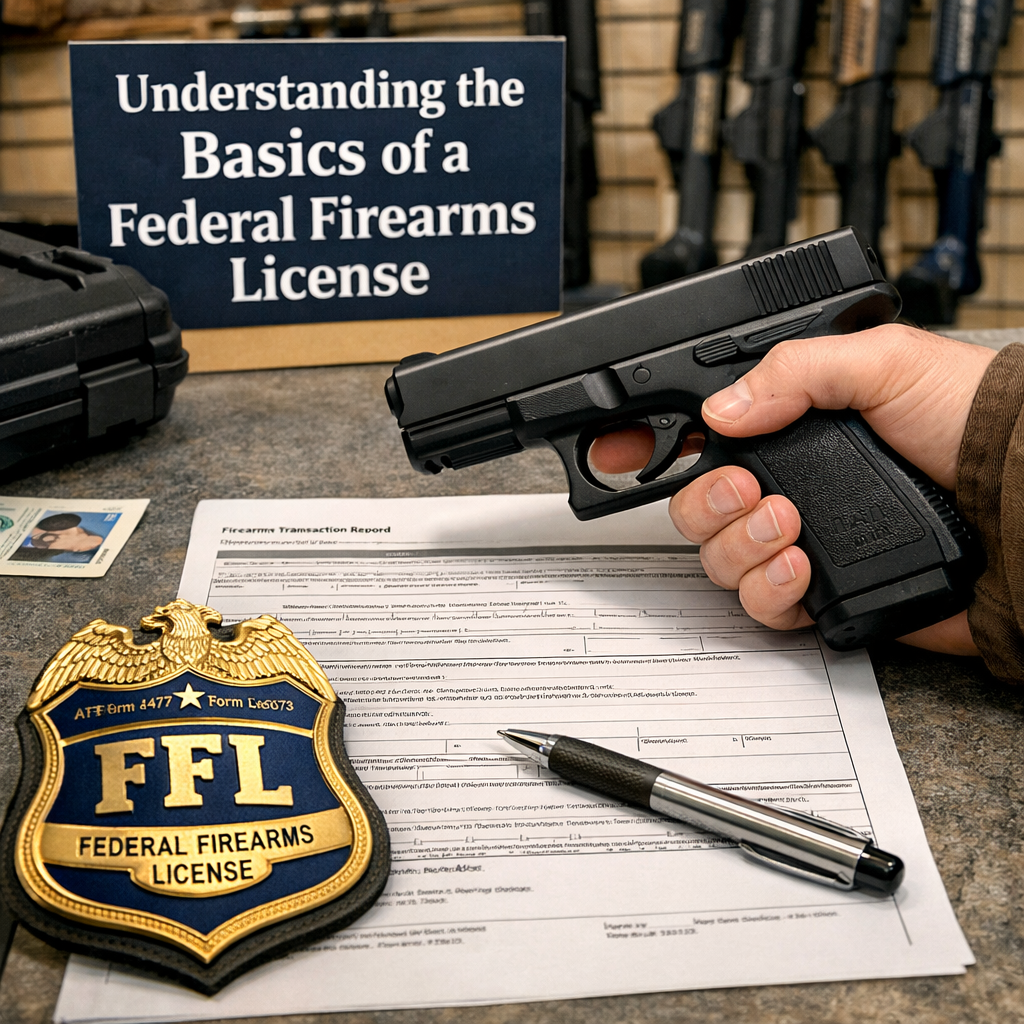
How to Get an FFL: Step-by-Step Application Process
Ready to answer “what is FFL” for yourself? The ATF makes the process clear, but it does take time.
Step 1: Gather your paperwork. You’ll need a photo ID, fingerprints, and a clear business address.
Step 2: Fill out ATF Form 7. The form asks for personal info, business details, and the type of license you want.
Step 3: Pay the application fee. Fees range from $30 for a basic dealer to $3,000 for a destructive‑device license.
Step 4: Submit the form by mail or online via the ATF portal.
Step 5: Wait for the ATF to schedule an in‑person interview. An Industry Operations Investigator (IOI) will visit your location.
Step 6: Pass the interview and address any security concerns the IOI raises.
Step 7: Receive your license in the mail. The whole process averages 6‑8 weeks.
And after you get the license, you’ll need to set up a record‑keeping system. Many shops use spreadsheet software or specialized compliance tools.
We recommend a quick audit of your storage area before the IOI arrives. Good lighting, locked cabinets, and a clean inventory list go a long way.
Our veterans often ask how to keep costs low. The best way is to shop for a basic dealer license if you only plan to sell to the public.
Read more about how to find the cheapest transfer near you here: Cheapest FFL Transfer Near Me: 2026 Resource Guide.
Bottom line:Follow the eight steps, stay organized, and you’ll have your license in 6‑8 weeks.
Common FFL Misconceptions and Compliance Pitfalls
Many new licensees think “what is FFL” means they can ignore paperwork. That’s a big mistake.
Myth 1: You only need to record sales. In reality, you must record every acquisition and every disposal for 23 years.
Myth 2: The $8 NICS fee is optional. The fee is mandatory for every background check and is paid to the ATF.
Myth 3: A small shop can skip the inspection. The ATF can inspect any FFL without warning, and refusing is a willful violation.
, about 100,000 individual violations were logged across the nation (ATF data). The most common breach involved Form 4473 errors.
“The best time to start building compliance habits was yesterday.”
And the cost of a revoked license can be thousands of dollars, plus lost reputation.
To avoid pitfalls, set up a monthly audit. Compare your bound book to your physical inventory. Fix any gaps before the IOI shows up.
Bottom line:Compliance is a daily habit, not a one‑time filing.
Conclusion
We’ve walked through what is FFL, the license types, who needs one, how to apply, and the common compliance traps. Knowing the costs, the timeline, and the record‑keeping duties lets you make an informed decision.
At 31 M Armory we’re proud to guide veterans and gun lovers through every step. Whether you need a dealer license or just a smooth transfer, we’re happy to help.
Ready to dive deeper? on selecting the right FFL dealer for your needs.
FAQ
What does the “FFL” abbreviation stand for?
FFL means Federal Firearms License. It is a permit from the ATK that lets a person or business legally buy, sell, import, or make firearms. The license also requires you to run background checks and keep records for at least 23 years.
Do I need an FFL to buy a gun online?
Yes, if you buy a gun from an out‑of‑state seller. The gun must be shipped to a licensed dealer in your state. That dealer will run the required NICS background check and charge a transfer fee, typically $20‑$75 plus a mandatory $8 fee.
How long does the FFL application take?
The ATF says the average processing time is 6‑8 weeks before the initial inspection. After the interview and any needed fixes, you’ll receive your license in the mail.
Can a single person hold more than one type of FFL?
Yes, a business can hold multiple licenses if it wants to both sell and manufacture firearms. Each license requires its own fee and may need separate SOT registration for NFA items.
What is the $8 NICS fee and who pays it?
The $8 fee covers the cost of running a background check through the National Instant Criminal Background Check System. The dealer who conducts the check collects the fee from the buyer and passes it to the ATF.
What happens if I fail to keep records for 23 years?
Failing to keep records can lead to a warning, a fine, or even revocation of your license. The ATF inspects records during routine checks, and missing files are a red flag.
Are there special rules for NFA items like suppressors?
Yes. To deal in NFA items you need a Special Occupational Taxpayer (SOT) registration in addition to your FFL. The SOT costs about $500 per year and requires extra paperwork for each transfer.
Can I apply for an FFL as a home‑based business?
Home‑based FFLs are allowed in many states if local zoning laws permit a business and you meet ATF security requirements. You’ll need a secure storage area and a clear separation between personal and business firearms.