Most people think every gun sale triggers a check. That’s not true. Some private sales slip past the system entirely. In this guide we break down the nics background check, who it affects, why it can stall, and what you can do if it does.
By the end you’ll know the exact steps a dealer takes, the list of people who can’t buy, the top reasons for a delay, and how to fight a denial. Let’s get clear so you can shop with confidence.
What Is the NICS Background Check?
The nics background check is a quick vetting done by the FBI when you buy a gun from a licensed dealer. The dealer sends your info to the National Instant Criminal Background Check System and gets a green or red light.
It started in 1998 to stop prohibited people from getting firearms. Since then the system has run over 320 million checks, according to the FBI’s 20‑year celebration page. FBI celebrates 20 years
Most checks finish in seconds. Only about 2 % end in a denial because the person has a disqualifying record.
“The best time to start building backups was yesterday.”
That line isn’t about guns, but it shows why speed matters. An instant check means you can walk out of the store with your new rifle in minutes , if you’re cleared.
When a check is instant, the dealer hands you the firearm right away. If the system needs more time, the sale can be delayed up to three business days. After that, the dealer may still complete the transfer under a “default proceed” rule.
Bottom line: The nics background check is a fast, government‑run screen that decides if you can buy a gun at the point of sale.
How the NICS Check Process Works
When you walk up to a Federal Firearms License (FFL) dealer, the nics background check starts the moment you hand over the paperwork. Here’s the flow in plain steps.
- Dealer asks you to fill out Form 4473. It has 16 yes/no questions about crimes, mental health, and drug use.
- You give the dealer your Social Security number. That number links you to the FBI’s databases.
- Dealer submits your answers and SSN to the NICS system either online or by phone.
- The system checks three databases , the Interstate Identification Index, the National Crime Information Center, and the NICS Indices.
- You get one of three outcomes: Approved, Denied, or Delayed.
The FBI aims to give an instant answer in 90 % of cases. When the result is “Delayed,” an examiner has three business days to dig deeper. If they can’t decide, the dealer may sell under a default‑proceed rule.
Because the system leans on state‑provided records, gaps can happen. Some states don’t send all their data, so a clean check might miss a disqualifying detail.
Bottom line: The nics background check follows a clear, step‑by‑step path that’s usually instant but can stretch to a few days if extra review is needed.
For a deeper dive into the databases and legal foundations, on The Trace. The Trace’s NICS guide
Who Is Prohibited from Purchasing a Firearm?
Federal law lists several groups that the nics background check will block. If you fall into any of these categories, the system will return a denial.
- Anyone convicted of a felony (including drug felonies).
- People with a domestic‑violence misdemeanor that meets the federal definition.
- Those who have been involuntarily committed to a mental institution or found incompetent by a court.
- Individuals with a dishonorable discharge from the armed forces.
- Undocumented immigrants, certain visa holders, and people with active warrants.
State laws can add more groups. For example, 23 states have closed the “boyfriend loophole” by adding dating‑partner abuse to the prohibited list.
If you’re a hunter, you’ll want to double‑check your status before you head to the range. Our hunting gear catalog can help you stay ready while you sort any paperwork. Hunting Supplies & Gear
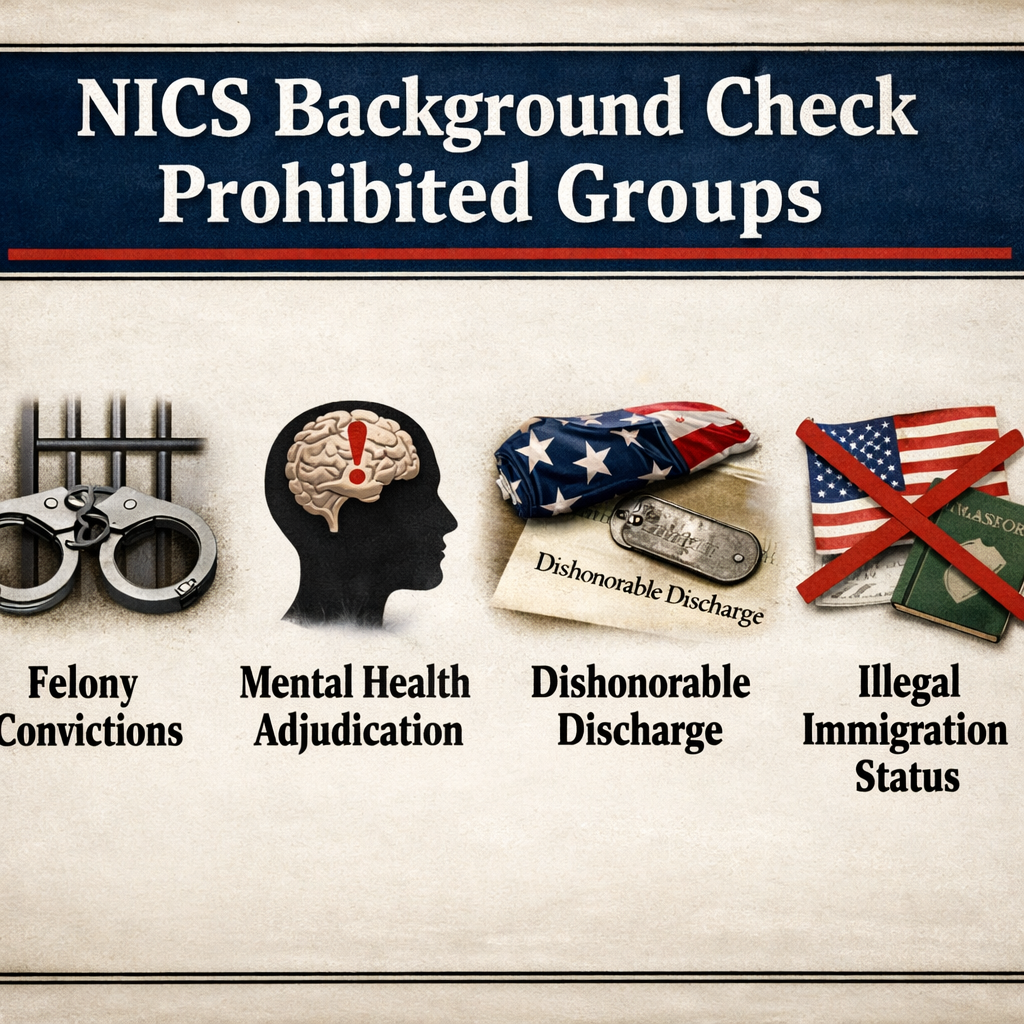
Bottom line: The nics background check blocks anyone with a felony, certain misdemeanors, mental health commitments, dishonorable discharge, or unlawful immigration status.
Common Reasons for NICS Delays and Denials
Even if you’re clean, the nics background check can still hit a snag. Here are the most frequent triggers.
1.Name matches, You share a name and birthdate with a prohibited person. The system can’t tell you apart without extra proof.
2.Old records, A conviction that was later reduced or expunged may still sit in the FBI’s database.
3.Mental‑health holds, A past involuntary commitment that the state never reported can still flag you.
4.Domestic‑violence coding errors, Some states mistakenly label a simple assault as a domestic‑violence case.
5.Military discharge errors, A dishonorable discharge that was later upgraded may still appear.
The National Security Law Firm notes that simple name matches are the top cause of delays. They often resolve by filing a challenge and getting a UPIN.
Fixing these issues usually means gathering court documents, mental‑health release forms, or discharge papers and submitting them through the FBI’s challenge portal.
Bottom line: A nics background check can be delayed or denied for name collisions, outdated records, mental‑health holds, coding errors, or military discharge mistakes.
For the official breakdown of why checks stall, see the FBI’s 2024 operational report. FBI NICS 2024 report
What to Do If Your NICS Check Is Delayed or Denied
If the dealer tells you the check is delayed, stay calm. You have clear steps to move forward.
- Ask the dealer for the exact reason. They should have a code that tells you what the FBI flagged.
- If it’s a name match, file a NICS challenge. Include a copy of your driver’s license, birth certificate, and any court documents that prove you’re not the prohibited person.
- For outdated convictions, get a certified court record showing the charge was reduced or dismissed.
- If mental‑health is the issue, submit a release from the treating physician or a court order that restores your rights.
- Contact the FBI’s NICS E‑Check Help Desk for guidance. You can reset your password, enroll for E‑Check, or request assistance via their portal.
The FBI’s NICS E‑Check site lists the exact steps for enrollment, password reset, and how to reach a live agent.
When you’ve gathered everything, the dealer can resubmit the check. If the FBI still denies you, you can appeal the decision through a Voluntary Appeal File (VAF) and request a UPIN.
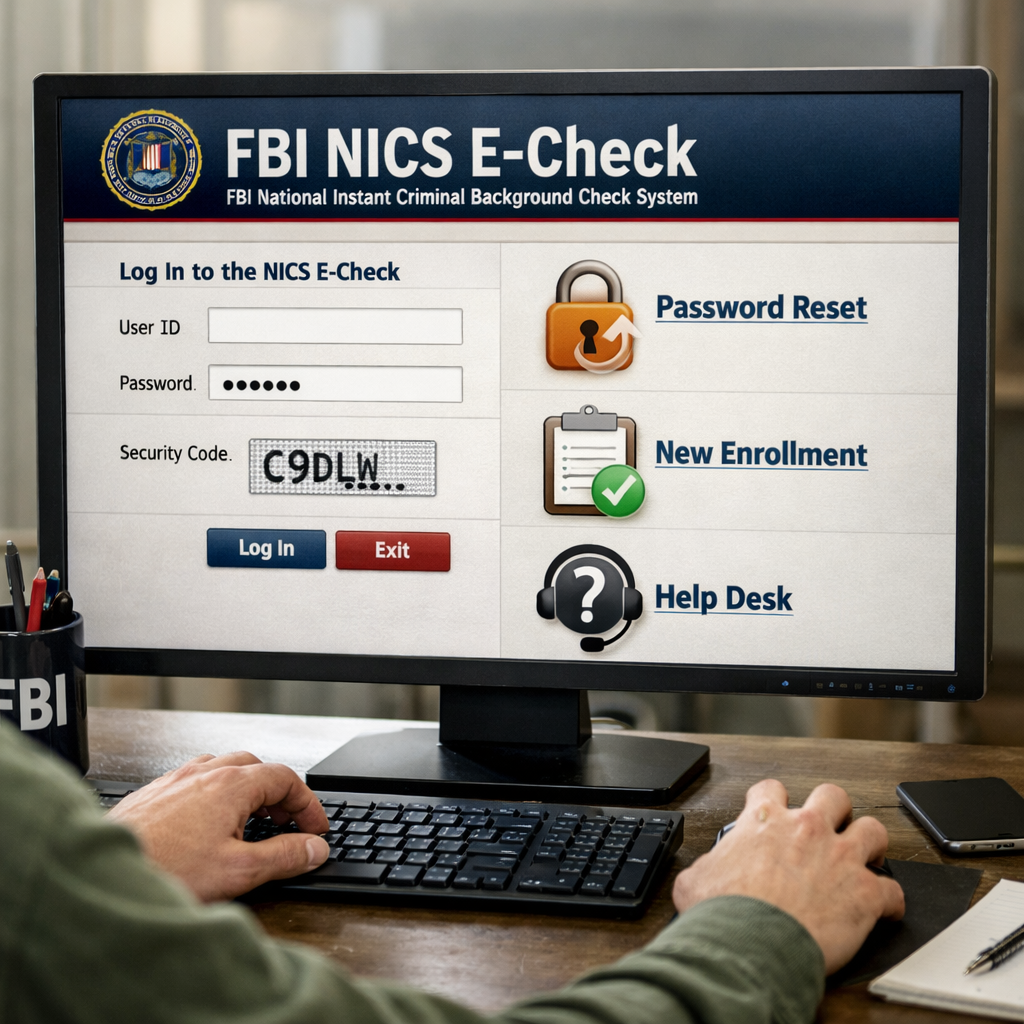
Bottom line: When a nics background check stalls, gather proof, file a challenge, and use the FBI’s E‑Check resources to get the issue cleared.
Frequently Asked Questions
What information does the dealer need to run a nics background check?
The dealer only needs your full name, date of birth, and Social Security number. That data links you to the FBI’s databases. No other personal info is required.
How long does an instant nics background check take?
Most clear checks finish in under a minute. The FBI aims for an immediate decision in 90 % of cases, often within 10 seconds.
Can a private sale avoid the nics background check?
Yes. In states without universal background‑check laws, a private party sale can happen without a nics background check. That’s why the law varies by state.
What is a “default proceed” sale?
If the FBI can’t decide within three business days, the dealer may complete the transfer under a default‑proceed rule. The sale goes ahead while the FBI continues its review.
What should I do if I get a denial?
First, ask the dealer for the denial code. Then file a NICS challenge with supporting documents. If the denial is for a mental‑health record, provide court‑ordered relief paperwork.
Is there a fee for the nics background check?
Public sources rarely list a fee. Most dealers absorb any cost, so you usually won’t see a charge on your receipt.
Can I check my nics background check status online?
You can register for the FBI’s NICS E‑Check portal. Once enrolled, you can view the status of pending checks and submit additional documents if needed.
Do I need a lawyer to appeal a nics denial?
You don’t need a lawyer, but legal help can speed up the process. Firms that specialize in gun‑rights challenges can file the paperwork for you.
Conclusion
Understanding the nics background check helps you avoid surprises at the checkout line. We’ve walked through what the check is, how it runs, who it blocks, why it can stall, and how to fix a delay or denial. With this knowledge you can prepare the right documents, know your rights, and keep the buying process smooth.
Need more help handling firearm laws? on federal gun regulations for veterans and first‑time buyers.