Keeping your guns secure shouldn’t mean turning your home into a bunker. The right storage keeps firearms out of the wrong hands, blocks theft, and fights rust, all while keeping a defensive gun within reach when you need it. We’ve sorted the best options below, ranked from our top pick to the affordable basics, with a clear note on who each one fits. Here’s where to start.
1. 31 M Armory (Our Top Pick)
31 M Armory is a veteran-owned firearm and accessory retailer that carries storage gear alongside firearms, optics, and cleaning supplies. We built this shop for fellow patriots: veterans, hunters, target shooters, and anyone who takes the Second Amendment seriously.
We believe storage should match your life, not the other way around. That’s why we stock everything from full-size safes down to pocket-size protective accessories, including the kind of ultra-compact, anodized-aluminum gear that weighs under two ounces and travels with you anywhere. Most safes on the market hold around five guns and weigh dozens of pounds. A lightweight accessory solves the on-the-go problem those big boxes can’t.
We also help first-time buyers handle the paperwork. Choose a Federal Firearms License (FFL) dealer at checkout, and we guide you through the transfer step by step. Want to pair a new pistol with a quick-access box? Browse our semi auto handguns for sale and add storage to the same cart. And as our slogan goes, veterans always have our six, so we offer a 6% discount to every veteran.
The honest caveat: we’re a retailer, not a single safe model. If you want one specific brand of fireproof vault and nothing else, you’ll still compare features the same way you would anywhere. But if you want guidance, veteran-friendly pricing, and a full range of storage under one roof, start with us.
2. Full-Size Gun Safes , Maximum Protection for Collections
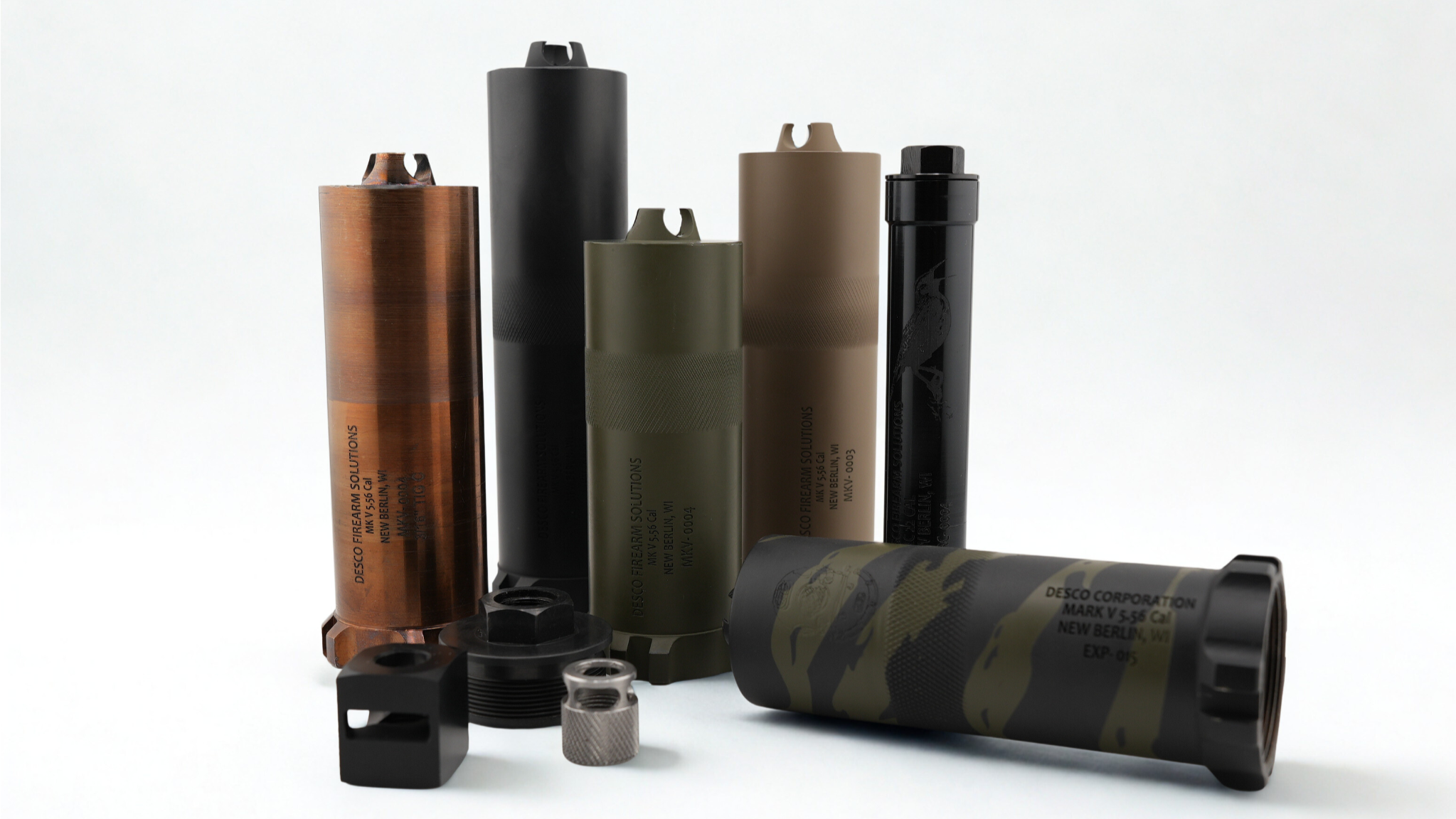
A full-size gun safe is the most secure firearm storage you can own. It’s a heavy steel box that bolts to the floor and holds rifles, shotguns, and handguns behind a thick door. Best for collectors and anyone who owns several long guns.
Capacity is the big draw. In our research dataset of 51 storage products, the average safe holds about five firearms, though premium models like the Vaultek RS800i can take up to eight rifles. The median is lower, around three, because a handful of high-capacity safes pull the average up. Pick by the guns you actually own, not the ones you hope to buy someday.
Fire protection is the spec most buyers forget to check. Out of all the products we reviewed, only the Steelwater safe listed a fire rating at all, a one-hour burn time. That’s a real blind spot. If you live where wildfires or house fires are a worry, confirm the burn rating in writing before you buy. Looking for the right enclosure? Our roundup of the best gun cabinet picks breaks down secure models by capacity and price.
The trade-off is weight and access. A loaded safe can weigh hundreds of pounds and you won’t move it on a whim. For a bedside defensive gun, that’s slow. Pair a big safe for the collection with a faster option for the one gun you’d grab at 2 a.m.
3. Biometric Smart Safes , Fast, Tech-Enabled Access
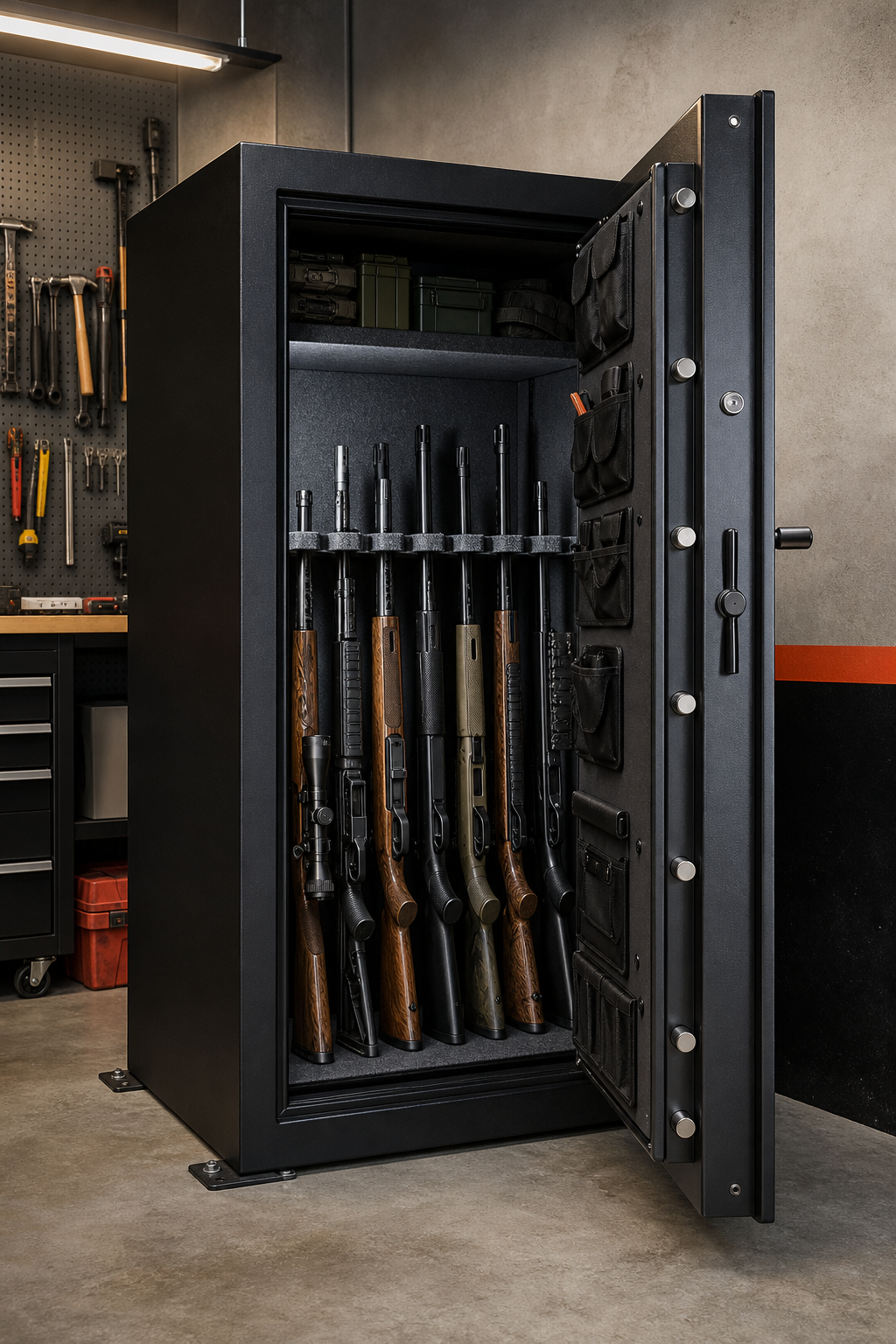
Biometric smart safes open with your fingerprint in under a second. They’re for the gun owner who wants a defensive firearm locked up but reachable fast, especially at the bedside.
Among the detailed entries we studied, biometric locks were the most common high-tech feature, showing up in models like the Vaultek RS series. Manufacturer specs for the Vaultek RS line matched independent reviews on capacity and the fingerprint reader, which tells you the data is reliable from both the maker and third parties. Most of these also keep a keypad code and a backup key, so a dead battery never locks you out.
Speed is the whole point. The Washington Post once ran an account of a homeowner fumbling in the dark to unlock a trigger-locked revolver during a break-in. A fingerprint safe removes that fumble. You touch the pad and it opens. If you want a deeper feature comparison, to the best biometric gun safes.
One honest limit: fingerprint readers can misfire with wet, cold, or dirty fingers. Register more than one finger, and always set the keypad code as a backup. The tech is good now, but you don’t want a single point of failure on the gun you’d reach for in an emergency.
4. Handgun Lock Boxes , Compact, Quick-Access Security
A handgun lock box is a small, hardened case that holds one or two pistols and a few magazines. It’s the usable middle ground between a giant safe and no security at all, and it fits in a nightstand drawer or under a car seat.
One creator on YouTube showed a lock box with a fingerprint sensor, a passcode pad, and a manual key holding a handgun, five magazines, and a flashlight. That’s a realistic everyday load. The box keeps the gun out of a child’s reach but still lets you open it in a hurry. In the dataset, lock boxes and travel cases were a small slice of the market, since 55% of products with a listed type were simply labeled “safe.” That gap means many buyers overlook the quick-access box that actually fits their daily routine.
These boxes work because they balance two needs. They block casual access by kids or visitors, and they open fast for the owner. If you keep a pistol for home defense, a bedside lock box beats both an open nightstand and a slow floor safe. For more setups by room and budget, browse our top gun storage ideas.
The caveat: a lightweight box is only as secure as where you anchor it. Most include a steel cable to tether the box to a bed frame or seat rail. Use it. An untethered box is easy to carry off and pry open elsewhere.
5. Vehicle & Portable Storage , Truck Guns and Car Lock Boxes
Vehicle and portable storage keeps a firearm secured while you drive. It’s for hunters, commuters, and anyone who carries and then has to leave the gun in the car. This is also where a lot of guns get stolen.
More and more guns are being stolen out of parked cars, and the advice is simple: keep the gun out of sight, lock it in a case or with a lock, and lock the car too. A portable lock box that tethers to a seat frame does both jobs. Truck guns are a real thing for many owners, as one short clip on YouTube showed a folding rifle stashed under a seat for quick grab-and-go.
The win here is compliance and theft prevention in one move. A car lock box bolted or cabled in place survives a smash-and-grab far better than a glovebox. If you transport firearms across state lines, a locked case in the trunk also helps you meet many states’ transport rules.
The limit: a hot car is rough on guns and ammo. Heat speeds up corrosion and degrades powder, so a vehicle box is for transport, not long-term storage. Pull the gun out when you get home.
6. Cable Locks & Trigger Locks , Affordable, Child-Safe Basics
Cable locks and trigger locks are the cheapest firearm storage you can buy, often a few dollars or free with a new gun. A cable threads through the action or barrel to block loading. A trigger lock clamps over the trigger guard so the trigger can’t be pulled.
The safety case is strong. Securing firearms is widely tied to a large drop in the odds of firearm suicide death and unintentional injury. Many safety experts recommend all home firearms stay locked and unloaded, with ammunition stored separately. Yet many gun-owning families still don’t follow that guidance.
These locks shine on cost and simplicity. Every gun in the house can have one, even if you can’t afford a safe for each. They satisfy many state safe-storage rules too. Several states now require a locking device or locked container when a firearm isn’t in use, so check the rules where you live and your state’s statutes.
Here’s the catch: a basic lock is slow to remove and offers zero theft protection beyond making the gun harder to fire. For a defensive firearm you may want fast, treat a cable lock as a backup layer, not your only line.
7. Protective Accessories , Gun Socks, Moisture Control & Rust Prevention
Protective accessories keep your guns from rusting once they’re stored. These are gun socks, dehumidifiers, and moisture absorbers. They’re for anyone who’s opened a safe to find a thin film of rust on a barrel.
Rust comes from your own hands. As Hickok45 put it on his channel, a firearm can develop rust just from being touched, since even “dry” hands leave a little moisture and oil. Gun socks, the slip-on sleeves many shooters use, give padding so guns don’t scratch in the safe and add a light treated barrier against moisture. Stainless and blued steel both benefit.
Humidity is the real enemy inside a closed safe. Controlling temperature and humidity is the key to long-term preservation. A safe acts like a sealed box, so trapped moisture has nowhere to go. A rechargeable dehumidifier or desiccant pack fixes that. Our guide to the best dehumidifier for a gun safe compares the options by size and run time.
The honest note: accessories prevent damage, they don’t secure the gun. Treat them as the maintenance layer that runs alongside whatever locked container you choose, not a substitute for it.
8. Ammunition Storage , Airtight Containers & Climate Control
Ammunition storage keeps your rounds dry and reliable. The goal is an airtight container in a climate-controlled spot. It’s for every shooter who’s bought ammo in bulk and wants it to fire years later.
Brownells laid out the simple rule in their ammo storage clip: keep things cool and dry. They showed a 5.56 round ruined by moisture that seeped through the factory cardboard box over a few years. The cardboard absorbed humidity even without direct water contact. The fix is dropping rounds into a sealed ammo can or any airtight container, then storing it where the temperature stays steady.
Heat is the silent killer. Powder and primer compounds degrade faster when temperatures spike, so room temperature beats a hot attic or a baking car trunk. Toss a dried silica gel pack inside to grab any trapped moisture, then leave the container sealed. The idea is to seal it up and leave it alone, not open and close it daily.
Store ammo separate from firearms for an extra safety layer, which is a widely recommended practice. If you’re stocking up, you’ll also want spare feeding gear, so check our selection of firearm magazines for sale to load and store alongside your boxed rounds.
The caveat: even sealed right, ammo isn’t immortal. Inspect rounds for corrosion before a range trip, since a gunked-up case can cause a failure to feed or extract.
What to Look for in Firearm Storage (Buyer’s Checklist)
Picking the right storage comes down to matching the gun’s job to how fast and how secure you need it. Use this checklist to weigh the trade-offs before you buy.
Legal rules vary by state. A number of states require secure storage or child-access prevention, while others have no rule at all. Don’t assume. Look up your own state before you settle on a method, especially if kids walks through layering these habits day to day.
One more rule of thumb: never reuse an obvious code. Avoid codes a child could guess, like a birthday or the last four of your phone number. If you ever remodel and want a safe built into a wall or closet, custom cabinetry and hardware specialists can help you spec out that kind of project.
Frequently Asked Questions
What is the safest way to store a firearm at home?
The safest firearm storage at home is a locked safe or lock box with the gun unloaded and ammunition stored separately. A common safety recommendation is to keep all home firearms locked and unloaded. For a defensive gun you want fast, a biometric safe or quick-access lock box gives security plus speed in seconds.
Are biometric gun safes reliable?
Yes, modern biometric gun safes are reliable, and manufacturer specs for popular lines like the Vaultek RS series match independent reviews on their fingerprint readers. The one weak spot is wet, cold, or dirty fingers. Register more than one finger and always set a keypad code as backup so a misread never locks you out of your firearm.
How should I store ammunition long-term?
Store ammunition in an airtight container kept cool and dry at a steady room temperature. Seal rounds in an ammo can or sealed plastic container with a dried silica gel pack, since moisture can seep through cardboard boxes. Avoid hot attics and car trunks, since heat degrades powder and primers over time.
Do I legally have to lock up my guns?
It depends on your state. Some states require a locking device or locked container when a firearm isn’t in use, and others have no rule at all. Check your own state’s law before choosing a storage method, especially if children live in or visit your home.
What’s the best gun storage for a car or truck?
The best vehicle firearm storage is a steel lock box cabled or bolted to the seat frame, kept out of sight. Thefts of guns from parked cars are on the rise, so hide the gun and lock both the box and the vehicle. Use a vehicle box for transport only, not long-term storage, because heat harms guns and ammo.
Bottom Line
Match the storage to the gun’s job: a full-size safe for the collection, a biometric box for the bedside gun, and cable locks plus a dehumidifier as backup layers. If you want help picking, start with 31 M Armory, where you can pair storage with your next firearm and claim a 6% veteran discount at checkout. Add your gear to the cart and lock it down the smart way.