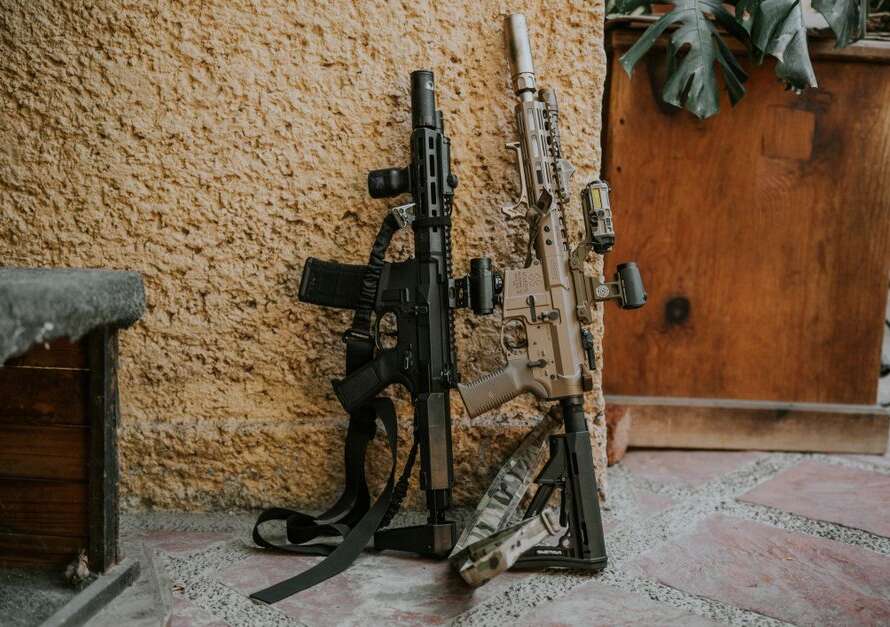
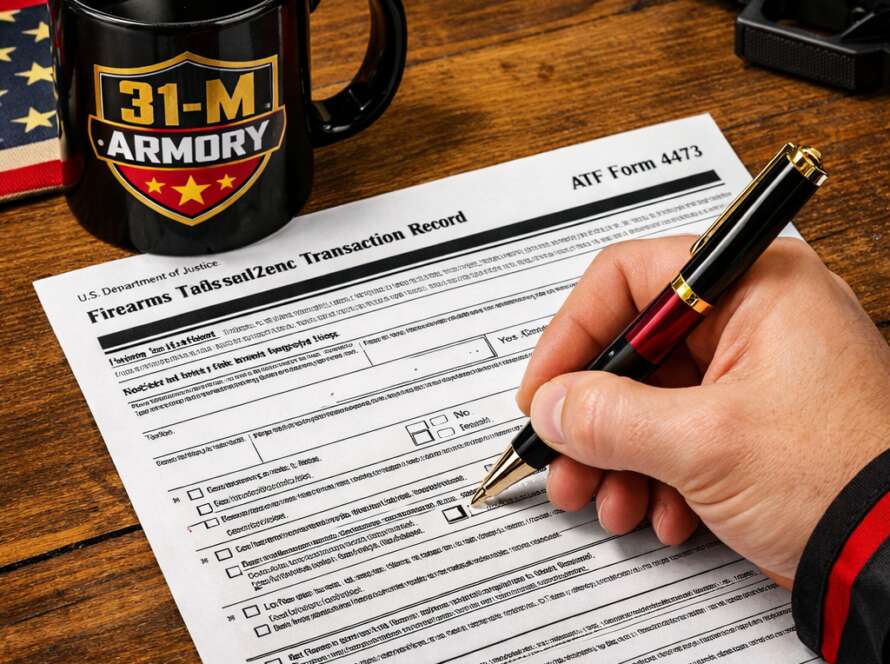
For years, buying a suppressor meant ATF Form 4, a tax stamp, and a wait measured in months. That changed in the fall of 2026. Since October 9, 2026, ATF guidance treats a suppressor much like any other firearm at the dealer counter: a Form 4473, a background check, and in many states you leave with the item. The paperwork at the heart of the transaction is different from what most shooters expected.
What did not change is the Form 4473 itself. It was not eliminated, and neither was the NICS background check. Understanding which piece belongs where is the difference between a smooth counter transaction and a wasted trip.
What Changed on October 9, 2026
On October 9, 2026, ATF released guidance that treats a suppressor like any other firearm at the counter: a Form 4473 and a background check, then you walk out. Since that date, ATF no longer enforces Form 4 approval for suppressor transfers.
The shift followed litigation over how the agency handled suppressor transfers, commonly referenced as Jensen v. ATF. Dealers that had been holding customer suppressors while waiting on approved Form 4s began moving those items under the new process. Several announced they were conducting eligible suppressor transfers on a standard ATF Form 4473 without waiting for Form 4 approval.
Form 4473 Did Not Go Away
A common misreading of the October guidance is that the 4473 disappears. It does not. Ordinary suppressor transfers through federally licensed dealers still generally require ATF Form 4473. Even in an injunction-protected transfer completed without an approved Form 4, the purchaser must still complete Form 4473.
The 4473 is the record of the transfer and the point where the buyer certifies eligibility. The dealer retains it, and the background check tied to it is what separates a lawful counter sale from an unrecorded handoff. None of the 2026 changes remove that step.
The Dealer Transfer, Step by Step
Most buyers will experience the new process as an ordinary counter transaction. The sequence looks like this.
- Complete the purchase. Buy from a dealer’s inventory, or if you purchased from an out-of-state seller, have the suppressor shipped to a licensed dealer in your state.
- The receiving dealer takes the item into inventory. It stays with the FFL until the transfer is finished.
- Complete ATF Form 4473 at the dealer’s counter.
- The dealer runs a NICS background check.
- Once the dealer is satisfied, the transfer is recorded and the suppressor changes hands, where state law and shop policy allow it.
- Keep your paperwork with the suppressor’s records for as long as you own it.
Free State and NFA State Transfers Look Different
Not every state follows the same path. The comparison below reflects what current guidance supports.
| Situation | Paperwork that applies | What to expect |
|---|---|---|
| Free state, dealer transfer | ATF Form 4473 plus NICS background check | Counter transaction, possession after approval |
| NFA state, dealer transfer | Form 4 filed at a $0 tax, plus Form 4473 | Buyer still waits on ATF |
| Injunction-protected transfer without an approved Form 4 | Form 4473 still required | Background check does not disappear |
The dividing line is state law, not the federal guidance. A buyer in a state that follows the new counter process can finish on a 4473 with a background check. A buyer in an NFA state still files a Form 4 at a $0 tax and waits on ATF. Same federal shift, two very different counter experiences.
Why the Background Check Still Applies
The background check is the piece buyers ask about most, and it is the piece that did not move. For an injunction-protected suppressor transfer completed without an approved Form 4, the purchaser must still complete Form 4473. That means the same eligibility questions, the same certification, and the same NICS check that applies to a handgun or rifle purchase.
Practically, a prohibited person cannot use the new process to obtain a suppressor. A dealer who skips the check puts their license at risk. If a shop tells you the check is optional now, ask them to show you the guidance and confirm with ATF before you hand over money.
Selling or Trading a Suppressor in 2026
Resale is where the new rules get murky. Very few owners ever sell a suppressor, and the easiest route is back to the dealer they bought it from. That dealer takes ownership and handles the next buyer, which keeps the chain of paperwork clean and moves the compliance burden to the FFL. You may net less money, but you avoid the guesswork.
For a private sale, the mechanics depend on the state. In a free state, the seller ships the suppressor to the buyer’s dealer, and that dealer transfers it on a Form 4473 with a NICS background check. In an NFA state, the seller still files a Form 4 at a $0 tax and waits on ATF.
There is also a timing caution worth repeating. Flipping a suppressor is not the same as flipping a rifle, and owners have been advised not to move one until they have current ATF guidance in hand. If you are unsure which category your state falls into, call the dealer before you list anything for sale.

Common Misunderstandings About the 2026 Process
- The Form 4 is gone. It is not. In an NFA state, the seller or dealer still files a Form 4 at a $0 tax and waits on ATF.
- Background checks ended. They did not. The Form 4473 and NICS check remain part of an ordinary dealer transfer.
- Every state allows same-day pickup. State law decides this, and NFA states still route through a Form 4.
- Any private sale is fine now. Dealer transfers remain the cleanest path, and individual shop policies vary.
What to Confirm Before You Buy
The October 2026 guidance is still new, and dealers are interpreting it at different speeds. Some posted suppressor transfer policies early. Others are still working through their internal process. Before you pay, call the shop and ask three questions: whether they are running suppressor transfers on a Form 4473, whether your state requires a Form 4, and how they handle the background check.
Buyers in NFA states should confirm the $0 tax Form 4 timeline with their dealer. Buyers purchasing online should confirm the receiving dealer accepts suppressor transfers before the item ships, or the package will sit in limbo.

Buying Online and the FFL Handoff
Online purchases follow the same shape as any other firearm order. The seller ships to a licensed dealer in your state, and the 4473 happens at that counter, not on the website. That handoff is why the receiving dealer matters as much as the seller. Confirm the dealer will accept the transfer, confirm their fee policy, and confirm they are set up for suppressor paperwork under the current guidance.
31 M Armory is a veteran-owned online retailer of firearms, ammunition, parts, and accessories, and the site walks first-time online buyers through the FFL shipping and transfer process. The same principle applies to suppressors: the retailer handles the sale and shipping, and the licensed dealer handles the Form 4473 and the background check.
The Bottom Line on 4473 Suppressor Transfers
The 2026 change removed the Form 4 approval wait from many transfers, not the eligibility check. A suppressor purchase in a free state now looks like a rifle purchase at the counter: Form 4473, NICS check, and out the door. In an NFA state, the Form 4 is still filed at a $0 tax and the wait remains. Dealers are still adapting, so a phone call before you buy saves more time than any forum thread. Verify your state’s requirements with the dealer or ATF directly, and keep your transfer paperwork organized once the item is in your hands.
Frequently Asked Questions
Do I still need a background check to buy a suppressor?
Yes. A Form 4473 and NICS background check remain part of an ordinary suppressor transfer through a licensed dealer. Even an injunction-protected transfer completed without an approved Form 4 still requires the purchaser to complete Form 4473. If a shop tells you the check is now optional, ask to see the guidance and verify with ATF before you pay.
Can I take a suppressor home the same day?
It depends on your state. In a free state, the dealer runs the Form 4473 and background check, and the transfer can wrap up at the counter. In an NFA state, the seller or dealer still files a Form 4 at a $0 tax and waits on ATF, so the timeline runs longer. Confirm your state’s status with your dealer first.
Is the Form 4 no longer required?
Not everywhere. Since October 9, 2026, ATF no longer enforces Form 4 approval for suppressor transfers, and dealers in free states can use a Form 4473 instead. In an NFA state, a Form 4 is still filed at a $0 tax and the buyer waits on ATF. State law decides which path applies to your purchase.
How do I sell a suppressor I no longer want?
The simplest route is selling it to a dealer, who takes ownership and handles the next buyer. In a free state, a private sale can run through the buyer’s dealer on a Form 4473 with a background check. In an NFA state, the seller still files a Form 4 at a $0 tax and waits on ATF.
Why did the process change in 2026?
The shift followed litigation over ATF’s handling of suppressor transfers, commonly referenced as Jensen v. ATF. On October 9, 2026, ATF released guidance treating a suppressor like any other firearm at the counter, with a Form 4473 and background check instead of a Form 4 approval wait. State law still controls the details.