


A turkey gun has one job, and it has to do it on a bird with sharp eyes and a habit of leaving. That puts a premium on a shotgun you can carry for hours, shoulder quickly, and trust to put a dense pattern exactly where the bead or dot is looking. Ask a hundred hunters which gun wins and you get a hundred answers, but a handful of names keep surfacing in the same conversations: the Mossberg 500, the Remington 870, the Browning BPS, the Benelli M2 and Super Black Eagle 3, the Beretta A300 and A400 Extrema, and the SX4.
What follows is built around the attributes experienced hunters say actually matter for turkeys, plus the specific models and loads that come up again and again in hunting forums, video breakdowns, and manufacturer materials. Where a detail depends on your state, your body size, or your chosen load, verify it with the manufacturer or the relevant wildlife agency before you commit.
Seven Attributes That Decide a Turkey Gun
One widely referenced breakdown of turkey gun selection, from The New Hunters Guide, organizes the decision around seven major attributes. Working through them in order keeps you from buying on brand loyalty alone.
- Weight. Light enough to carry all morning, heavy enough to tame a heavy turkey load when you touch it off.
- Barrel length. Affects how the gun points and swings, and how it handles in a blind or against a tree.
- Gun fit. Length of pull, drop, and comb height determine whether your eye lands on the same spot every time you mount the gun.
- Gauge. A tradeoff between recoil, payload, and gun size that should match the shooter, not the trend.
- Price. The budget end of the market includes guns with serious track records, so cost is a real variable rather than an afterthought.
- Optics. Whether you run a bead, fiber optic, or mounted optic changes how the gun needs to be set up.
- Action. Pump, autoloader, over-under, break action, or bolt action, each with its own feel and rhythm.
Action Type: What Hunters Actually Carry
The same breakdown covers autoloaders, pump shotguns, over-unders, break actions, and bolt actions, and that list is a fair snapshot of what shows up in the field. Pumps remain the classic answer for hunters who want a simple, repeatable cycle and put their money into the barrel and the load. Autoloaders appeal to shooters who want a second shell without working a forearm, and they show up constantly in the model names hunters volunteer. Over-unders and other break actions suit hunters who like a shorter, more compact package and a clear view of the chamber. Bolt actions are the outlier, and they exist for shooters chasing a specific handling feel or a particular slug or specialty setup.
None of this makes one action objectively better. It makes one action better for how you hunt. A hunter sitting in a blind with a rest and a decoy spread has different priorities than someone covering ground and calling birds up a ridge.
Budget Workhorses: Mossberg 500 and Remington 870
In turkey hunting discussion threads, the Mossberg 500 and Remington 870 get named as good budget options for turkey, deer, squirrel, and rabbit hunting alike, with the plainspoken endorsement that they have killed a lot of birds. That reputation is the whole argument. Both designs have been around long enough that parts, accessories, and aftermarket support are easy to find, and both leave budget room for the things that actually tighten your results, like a load your gun patterns well and an optic if you want one.
Mossberg also draws broader praise in hunting circles, described simply as a famous name in this category. For a first turkey gun, or a second gun that lives in the truck during spring, the value end of the market is hard to argue with.
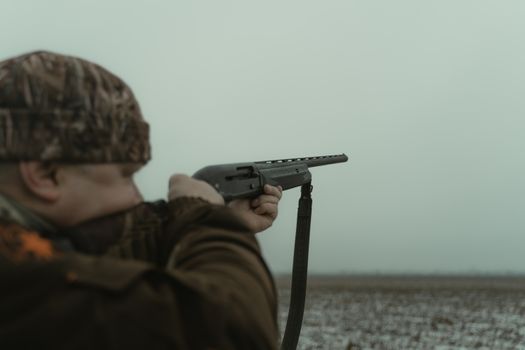
Autoloaders Hunters Keep Coming Back To
When hunters list what they carry or what they would buy, the semi-auto names repeat: the Benelli M2, the Benelli Super Black Eagle 3, the Beretta A300, and the Beretta A400 Extrema. One hunter described owning a Beretta A300 and being happy with it, then noted that the A400 Extrema had become the gun that goes out for bird hunting, turkeys included. That is a common pattern in these conversations, where a budget autoloader earns trust and a step-up model gradually takes over the field time.
The SX4 also gets called out as one of the best shotguns on the market in a roundup of turkey guns. And in a separate thread asking what everyone is packing in the spring, the answer was an old Browning BPS, which is the other half of the story. Plenty of turkey hunters are still shooting a gun they bought years ago and see no reason to change.
Model Snapshot
The models below are the ones named in the hunting discussions and roundups reviewed for this article. Configurations, chamberings, and current availability vary by model and change over time, so confirm the exact SKU with the retailer or manufacturer before ordering.
| Model | Type | Why It Comes Up |
|---|---|---|
| Mossberg 500 | Pump action | Named as a good budget turkey gun with a long track record |
| Remington 870 | Pump action | Same budget workhorse reputation, widely recommended |
| Browning BPS | Pump action | Still a go-to spring gun for hunters who never switched |
| Benelli M2 | Autoloader | Frequently listed among top turkey shotgun picks |
| Benelli Super Black Eagle 3 | Autoloader | Shows up in the same top-pick conversations |
| Beretta A300 | Autoloader | Owners report being happy with it as a working bird gun |
| Beretta A400 Extrema | Autoloader | Described by an owner as the gun that now goes out for birds |
| SX4 | Autoloader | Called one of the best shotguns on the market in a turkey roundup |
Gauge and Loads Hunters Pair With Their Guns
Gauge is one of the seven attributes for a reason. It drives recoil, gun weight, and how much shot you are sending, and the right answer depends on the shooter standing behind the stock. Smaller-frame and youth hunters get their own consideration here, which is why dedicated roundups of youth turkey shotguns exist and focus on guns that fit a shorter reach and lighter frame. If a shotgun beats you up, you will flinch, and a flinch ruins the one shot you get.
Load selection matters just as much as gauge. Turkey-specific loads named in the sources reviewed include Winchester Long Beard XR, Federal Premium Heavyweight TSS, and Apex Ammunition. The takeaway is not that one load is universally best. It is that modern turkey ammunition is specialized enough that your gun, your choke, and your chosen shell need to be tested together at the ranges you actually plan to shoot. Pattern your gun before the season, not during it.

Fit, Weight, and Barrel Length in Practice
Gun fit is the attribute hunters underrate most. A shotgun that shoots where you look when you mount it quickly is worth more than a longer list of features. If the comb sits too low, your eye drops and the pattern goes high. If the length of pull is wrong, you either crowd the stock or reach for it, and neither works when a bird steps out and your window is short.
Weight splits into two questions. How far are you carrying it, and how much recoil can you handle? A lighter gun is a pleasure on a long walk and less pleasant at ignition with a heavy turkey load. Barrel length plays into the same balance, since a longer tube changes how the gun points and how it moves through cover and blind openings. Handle a few guns before you decide. Shouldering a shotgun in a shop takes two minutes and saves a season of regret.
Optics and Sights on a Turkey Gun
Optics made the list of seven attributes, and the choice is real. Some hunters stay with a bead or a fiber optic front sight because it is fast, simple, and nothing to lose, break, or re-zero. Others mount a dedicated optic so both eyes and the bird line up on one bright aiming point when the light is flat or the bird is tucked against cover. Either approach works. What matters is that the setup holds zero, that the sight sits low enough to mount the gun naturally, and that you have practiced with it before opening morning. Savage Arms, for instance, markets turkey shotguns built around lightweight, accurate, and durable design, which shows how much of this category is about the complete package rather than the barrel alone.
A Practical Checklist Before You Buy
- Shoulder the gun the way you will in the field, not off a rack, and check where your eye lands.
- Decide on action first, then let gauge and load follow from your body size and recoil tolerance.
- Budget for the load and any sighting setup, not just the gun.
- Confirm the model and configuration you want is actually in stock in the chambering you need.
- Verify your state’s turkey hunting regulations and season requirements with the relevant wildlife agency.
Buying a Turkey Shotgun Online
Buying a firearm online works differently than buying a scope or a sling. The shotgun ships to a licensed FFL dealer rather than to your door, and you complete the transfer in person at that dealer. First-time online buyers should read the retailer’s FFL instructions before ordering so the paperwork and dealer coordination do not surprise them. 31 M Armory is a veteran-owned retailer that lays out the FFL transfer process for new buyers, and it stocks shotguns, ammunition, magazines, optics, and accessories from major brands, which means the gun, the load, and the sight can come from one place.
Frequently Asked Questions
Is a pump or a semi-auto better for turkey hunting?
Both work, and both appear constantly in hunter recommendations. Pumps like the Mossberg 500 and Remington 870 are praised as reliable budget choices with long track records. Autoloaders such as the Benelli M2, Benelli Super Black Eagle 3, Beretta A300, and Beretta A400 Extrema come up repeatedly among hunters who prefer a faster follow-up. Pick the action you shoot and carry comfortably, then practice with it.
What is the best gauge for a turkey shotgun?
There is no universal answer because gauge is a tradeoff between recoil, gun weight, and payload. It is one of the seven attributes experienced hunters say to weigh when choosing a turkey gun. Smaller-frame hunters often benefit from less recoil, while others want maximum payload. Confirm what your state allows and pattern your chosen load before the season opens.
Which turkey loads do hunters actually use?
Turkey-specific loads named in the sources reviewed include Winchester Long Beard XR, Federal Premium Heavyweight TSS, and Apex Ammunition. What matters more than the name on the box is how that load shoots through your barrel and choke at the distances you plan to hunt. Test several options at the range and keep the one that patterns consistently.
Do I need an optic on a turkey shotgun?
No. Plenty of hunters run a plain bead or a fiber optic front sight and do fine with it. An optic can help when light is flat or when you want one clear aiming point, but it has to mount low and hold zero. Whichever you choose, practice mounting and shooting with the exact setup you will hunt with.
Can I buy a turkey shotgun online?
Yes, with a transfer step. An online firearm purchase ships to a licensed FFL dealer instead of your home, and you complete the required transfer in person there. Read the retailer’s FFL instructions first, confirm the dealer will accept the shipment, and have your paperwork ready before the gun arrives so nothing sits waiting.
Whatever you end up carrying in 2026, the pattern on paper is the final judge. A Mossberg 500 that fits you and shoots a tight, even pattern will put more birds on the ground than an expensive autoloader that does not. Start with fit, weigh the seven attributes honestly, test your load, and the model choice gets much easier.


