A suppressor that will not thread onto your barrel is not a deal. It is a return, a gunsmith bill, or an expensive paperweight in the safe. The detail that decides whether a can screws on cleanly is the thread pitch callout, and it is also the detail most buyers skip when they shop by caliber and price alone.
Matching a suppressor to a host is a paperwork exercise before it is a hardware exercise. You read two numbers, confirm they agree, and then you spend money. Get the numbers right and the rest of the process is a screwdriver job. Get them wrong and no amount of torque, tape, or optimism will fix it.
What a Thread Pitch Callout Actually Tells You
Thread specifications are written diameter first, pitch second. A callout like 1/2″-28 means a half-inch nominal diameter with 28 threads per inch. The pitch number is not the length of the threads and it is not the size of the bullet. It is a count of how many thread crests sit in one inch of barrel, and it controls how fast the suppressor travels down the barrel as you turn it.
Two barrels can share the same diameter and still be incompatible because the pitch differs. That is where most mismatches happen. A buyer confirms the diameter, assumes the pitch, and ends up with a mount that starts to thread and then binds within a turn or two.
Direction matters as well. Threads can be cut to tighten in different rotational directions, and a suppressor or adapter cut the opposite way will not seat no matter how carefully you thread it on. Imperial and metric callouts also exist side by side in the shooting world, so compare like with like instead of eyeballing two numbers that look similar.
Why the Match Matters Beyond Simply Screwing On
A suppressor is a tube that has to sit concentric to the bore. When the thread callout is correct, the rear of the can seats against the barrel shoulder and stays square to the bore axis. When the callout is close but not correct, the suppressor can thread partway, cock slightly off axis, or loosen under recoil. None of those outcomes are worth saving a few dollars on the wrong part.
Correct threads also seal and hold better. A properly matched interface keeps gas moving forward through the can instead of leaking at the muzzle, and it keeps the can from walking loose between strings of fire. That is the practical reason gunsmiths and experienced shooters treat thread verification as a buying step, not an afterthought.
Direct Thread Is the Simplest Route
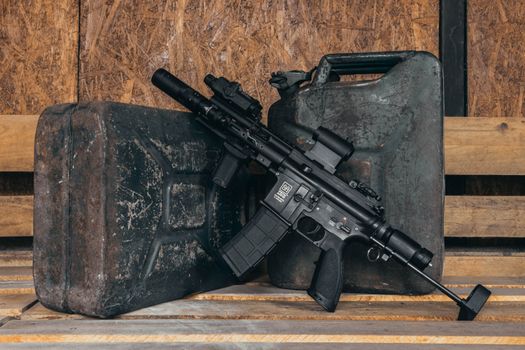
Direct thread is the most common way to attach a suppressor to a barrel. The suppressor simply screws onto the muzzle threads, with no mount, no brake, and no extra hardware between the can and the barrel. Fewer parts means fewer places for a mismatch to hide, which makes direct thread the easiest system to buy correctly the first time.
The catch is that a direct thread suppressor is committed to whatever thread pattern its rear end is cut for. If you own several hosts with different muzzle threads, a direct thread can either lives on one rifle or you start adding adapters. That is a planning decision, not a defect, but it is worth making before checkout rather than after.
Pistols add another layer. Pistol suppressors are built for handgun calibers, and many rely on a piston as the interface between the suppressor body and the barrel threads. Pistons are sold as suppressor accessories rather than being baked into every can, so confirm what your specific suppressor needs and confirm the barrel thread it has to mate with.
Adapters, Pistons, and Thread Over Mount Systems
When the barrel and the suppressor do not speak the same thread language, an adapter is the bridge. Thread adapters let you run a suppressor or mount on a host whose muzzle threads differ from the device’s native pattern. Some adapters are host specific. One common example is a P22 adapter designed for the Walther P22 that replaces the factory barrel nut, which shows how far a well-designed adapter can go beyond a simple thread conversion.
Quick detach systems take a different approach. A Thread Over Mount is a quick attach and detach system for suppressors that pairs with a specific muzzle device, in this case the TOMD Compact Radial Brake. The mount and the brake are a matched set. You cannot substitute a random brake and expect the system to lock up correctly.
The tradeoff with any multi-part system is that every added interface is another specification to verify. A direct thread setup has one thread match to confirm. An adapter stack plus a mount plus a muzzle device has three or four, and each one has to be right.
| Mounting approach | How it attaches | What to verify |
|---|---|---|
| Direct thread | Suppressor screws straight onto the muzzle threads | Suppressor rear thread callout matches the barrel exactly |
| Thread adapter | Adapter converts the barrel threads to the pattern the suppressor or mount uses | Both ends of the adapter, plus how it seats on the barrel shoulder |
| Thread Over Mount | Quick attach and detach system that pairs with a matching muzzle device such as the TOMD Compact Radial Brake | Mount and muzzle device are the matched pair intended to work together |
| Piston (pistol) | Interface between a pistol suppressor body and the barrel threads | Piston fits the suppressor and the pistol barrel thread callout |
Small Parts That Protect the Match
Once the threads are confirmed, protect them. A thread protector such as the SilencerCo Thread Protector twists onto compatible 1/2″-28 threads and keeps the barrel threads crisp while the suppressor is off the gun. Muzzle threads are relatively soft compared with the internals of a suppressor, and a dropped rifle or a bump against a bench can roll a thread crest enough to make installation rough.
Suppressor accessories go beyond protection. Pistons, end caps, suppressor covers, and thread adapters are all part of keeping a can running on more than one host. Buying the accessory alongside the suppressor is usually smarter than waiting until you discover the gap at the range.
How to Verify Before You Buy
- Find the exact barrel thread callout from the firearm manufacturer or the barrel maker. Not the caliber, not the model family, the thread designation.
- Write down the suppressor’s rear thread or the thread of the mount it ships with. If the listing does not state it, ask before ordering.
- Count every interface in the chain. Barrel to adapter, adapter to mount, mount to suppressor. Each one is a separate match.
- Check the shoulder. A device needs a square shoulder to seat against, and a barrel with damaged or interrupted threads will not hold alignment even with the right callout.
- Confirm thread direction and whether the callout is imperial or metric. Similar looking numbers in different systems are not interchangeable.
- Confirm the mounting style suits the platform. Pistol suppressors commonly need a piston, while rifle setups often run direct thread or a dedicated mount.
- Verify the current federal process for suppressor purchases with the ATF and your transferring dealer. Suppressors are regulated differently than a standard firearm purchase, and the rules in effect at the time you buy are the ones that apply.
Mistakes That Cost Real Money
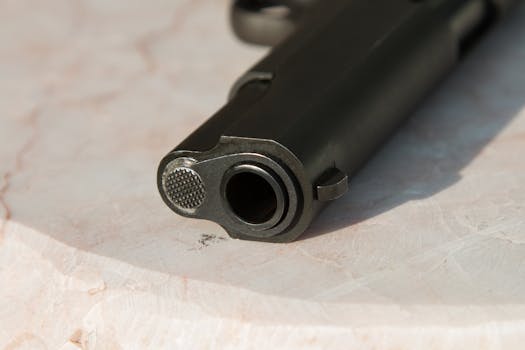
Buying by caliber is the most expensive habit. Two pistols chambered for the same round can leave the factory with different muzzle thread callouts, so the caliber tells you almost nothing about the threads. Ordering by caliber and hoping is how people end up shipping parts back.
Assuming that all mounts of a family are interchangeable is another common one. Thread Over Mount systems are built to pair with a specific muzzle device. Mixing brands or models inside a quick detach system usually produces a loose fit or a mount that will not lock.
Forgetting the stack is a third. An adapter adds length and a joint. If you planned your suppressor around a bare muzzle and then added two components, the overall length and balance of the rifle change. Plan the full chain before you commit, and buy a thread protector so the barrel is not left with exposed threads between range sessions.
31 M Armory stocks silencer accessories including pistons, end caps, suppressor covers, and thread adapters, so you can assemble the full chain in one place. Measure first, write the numbers down, and match them against every part in the list. The five minutes you spend confirming thread pitch is the cheapest insurance in the whole purchase.
Frequently Asked Questions
How do I find my barrel’s thread pitch?
Start with the manufacturer’s specification sheet for your exact model, since the same model line can ship with different muzzle threads. If the spec is not published or the barrel was cut by a gunsmith, have the threads measured with a thread pitch gauge and calipers. Confirm the diameter, the pitch, and the thread direction before you order any mount or adapter.
Can a thread adapter fix a pitch mismatch?
Often yes. Thread adapters are made to convert a barrel’s thread pattern to the pattern a suppressor or mount requires, including host-specific designs like the P22 adapter that replaces a factory barrel nut. Remember that every adapter adds an interface. Verify both ends of the adapter and check that it seats square before you shoot suppressed.
Is direct thread better than a quick detach mount?
Direct thread is the most common attachment method and the simplest, because the suppressor screws straight onto the muzzle with no intermediate hardware. Quick detach systems such as Thread Over Mount add speed and convenience, but they pair with a specific muzzle device and add parts to verify. Pick based on how many hosts you run and how often you swap.
Do I need a piston for a pistol suppressor?
Many pistol suppressors use a piston as the interface between the can and the barrel threads, and pistons are commonly sold as separate suppressor accessories. Confirm with the suppressor manufacturer what your specific model requires, then confirm the thread callout on your pistol barrel matches. Do not assume a piston included with one can fits another.
Should I run a thread protector when the suppressor is off?
Yes. A thread protector such as the SilencerCo Thread Protector threads onto compatible 1/2″-28 muzzle threads and shields them while the suppressor is removed. Exposed threads collect grit and dent easily, and damaged threads make every future install rougher. It is one of the least expensive accessories you can add to a suppressed setup.