Concealed carry firearms training has settled into a fairly predictable shape. There is a classroom or online component covering safety, handling, and self-defense fundamentals, usually followed by live-fire practice for students who want it. What changes from state to state, and from instructor to instructor, is how much of that training is required, how it gets delivered, and what it costs. The breakdown below covers the curriculum, the formats, and the practical decisions that matter before you enroll.
What Concealed Carry Firearms Training Covers
Course outlines vary, but the core subjects repeat almost everywhere. A typical program divides into three blocks: safety and gun handling, marksmanship fundamentals, and the judgment side of self-defense. Some providers lean heavily on the legal and permit paperwork side, while others spend most of the clock on the range. Knowing which block a course emphasizes tells you more about its value than the marketing copy does.
Firearms Safety and Handling
The foundation block covers the rules that govern every range session and every holstered draw. Minnesota Gun Class, a statewide Permit to Carry provider, lists the four universal safety rules, clearing handguns, and additional safety considerations in its self-defense firearm basics module. That same module walks through double action versus single action, revolver and semi-automatic examples, and how to deal with ammunition malfunctions. Malfunction drills matter more than most new shooters expect, because a defensive firearm that jams at the wrong moment needs a fix applied under pressure.
Shooting Fundamentals
Expect instruction on proper grip, stance including body and arm positions, point shooting, sight shooting, the flash sight picture, and trigger control. These are the mechanics that determine whether your shots land where you intend. Some courses pair the instruction with live fire, others use dry practice and then send students to the range separately. Either way, fundamentals taught in a classroom only become useful once you repeat them enough times to make them automatic.
Self-Defense Strategy and Situational Awareness
The third block is the one people skip when they are shopping on price alone. Minnesota Gun Class frames its personal protection planning module around how common violent crime is, why conflict avoidance matters, situational awareness, the Color Codes of Awareness, observing your environment, and planning for home defense. USCCA classes take a similar approach, educating students on concealed carry, firearms basics, and self-defense, and the organization notes that its classes go beyond what is legally required to obtain a concealed carry permit. That extra coverage is often the difference between passing a test and being prepared.
Online, In-Person, and Blended Training Formats
Delivery format is the biggest practical variable in 2026. Fully online coursework handles the classroom material well. Range work does not translate to a screen, so any course that includes live fire requires an in-person session, whether that happens on the same day or weeks later.
Web-Based and Blended Courses
NRA Online Training offers web-based courses covering basic firearms safety, shooting techniques, personal defense strategies, and concealed carry. Concealedcarry-ed.com markets state-approved online concealed carry courses that meet the mandatory education requirements for a license, delivering the curriculum through instructional content, illustrations, animations, and videos, and it states the material suits students of all experience levels. Blended formats split the difference. California CCW classes, for example, offer an online blended learning option you complete at your own pace alongside in-person public or private 1.5 day classes, with a $30 optional add-on listed on their site.
In-Person Range Sessions
In-person courses typically bundle instruction with range access and permit documentation. Miami-Dade’s Trail Glades Range offers a two-hour Concealed Weapon Permit Course that includes a range safety class, range admission, and a range card, priced at $120 per person. That bundling is common, though not universal. Ask any provider directly what the fee includes: instruction hours, ammunition, targets, range time, and any certificate you need for your application.

What Concealed Carry Training Costs
Published pricing from individual providers gives a sense of the spread. Treat these as examples rather than national averages, since cost depends on your state, the format, and how much range time is included.
| Provider and Course | Format | Published Price |
|---|---|---|
| ASDI Virginia Concealed Carry class | Permit course | $55.00 |
| Miami-Dade Trail Glades Concealed Weapon Permit Course | Two hours, includes range safety class, range admission, and range card | $120 per person |
| California CCW classes | Online blended plus in-person public or private 1.5 day classes | Optional add-on listed at $30 |
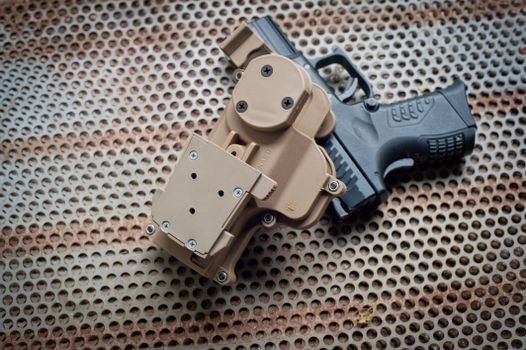
Course fees are rarely the whole cost. Ammunition, a rental firearm if you do not own one yet, and a holster you can actually draw from all add up. Some courses fold range admission into the price, as the Miami-Dade listing does, while others charge it separately on the day. Confirm the total before you commit, and check whether your state charges a separate application fee for the permit itself.
How to Choose an Instructor or Course
Training comes before equipment, and the instructor matters more than the classroom’s aesthetics. A few checks narrow the field quickly.
- Confirm the course is approved by your state’s licensing authority. Tennessee’s Department of Safety publishes lists of certified handgun safety schools, with separate lists for the Enhanced Handgun Carry Permit and the Concealed Handgun Carry Permit, presented by vendor or course name in the order they were approved.
- Look at how many students the provider has trained. Minnesota Gun Class reports being trusted by more than 50,000 students statewide.
- Match the course to your experience level. Providers such as concealedcarry-ed.com describe material suited to beginners through advanced shooters, while some in-person courses are built for first-timers specifically.
- Ask whether the class exceeds the legal minimum. USCCA states that its classes go beyond what is required for a permit, which matters if you want skills rather than a certificate.
- Get the inclusions in writing: hours, ammunition, range time, and the documentation your permit application requires.
State Approval and Permit Requirements
Approval structures differ enough that you should verify with your own state rather than assume. Tennessee splits its approved school lists by permit type, which means a class approved for one permit may not count for the other. Concealedcarry-ed.com positions its online courses as meeting mandatory education requirements for a concealed carry license, and NRA Online Training covers concealed carry among its web-based offerings, but whether an online completion satisfies your state is a question only your state’s licensing agency can answer definitively. Requirements and approved-provider lists change, so check the official source before you pay for anything.
Gear Decisions Come After Training
The consistent advice from trainers is that skill comes first and gear follows. Once you have completed a course, choosing equipment gets easier because you know what you can shoot well, how you prefer to carry, and what your daily clothing allows. A quality holster, a sturdy belt, and defensive ammunition are the usual first purchases, and testing them at the range before relying on them is standard practice. 31 M Armory carries handguns, ammunition, magazines, optics, and accessories from brands including Smith & Wesson, Heckler & Koch, Magpul, and Barrett, so you can build out a carry setup after your training rather than before it.
Frequently Asked Questions
Can I take a concealed carry course online?
Many providers offer an online option. NRA Online Training delivers web-based courses in firearms safety, shooting techniques, personal defense, and concealed carry, and concealedcarry-ed.com markets state-approved online courses that meet mandatory education requirements for a license. Blended formats also exist, such as California CCW classes pairing at-your-own-pace online work with in-person sessions. Confirm with your state licensing agency whether online completion counts toward your permit.
How much does a firearm training course cost?
Published prices vary widely by provider and format. ASDI lists its Virginia Concealed Carry class at $55.00, Miami-Dade’s two-hour Concealed Weapon Permit Course runs $120 per person with range admission and a range card included, and California CCW classes list a $30 optional add-on alongside their class pricing. Ammunition, rentals, and separate permit application fees may add to the total. Verify current pricing directly before enrolling.
Do concealed carry classes cover more than the legal minimum?
Some do. USCCA states that its classes go beyond what is legally required to obtain a concealed carry permit, covering concealed carry, firearms basics, and self-defense. Minnesota Gun Class includes modules on violent crime statistics, conflict avoidance, situational awareness, the Color Codes of Awareness, and home defense planning. Courses built only to satisfy a state checklist tend to be shorter and lighter on judgment-based material.
How do I find an approved class in my state?
Start with your state’s licensing or public safety agency. Tennessee’s Department of Safety, for instance, publishes certified handgun safety school lists by permit type, showing vendor or course names in the order approved. Other states use different structures, and some link directly to approved online providers. Always confirm a course is currently approved before paying, since lists change over time.
How long does concealed carry training take?
Length depends on the format. Miami-Dade’s Concealed Weapon Permit Course runs two hours, while California CCW classes offer in-person public or private 1.5 day sessions. Fully online courses let you work at your own pace, though any required live-fire segment adds a scheduled range visit. The classroom portion is usually the shorter part of the process once travel, range time, and permit paperwork are factored in.